
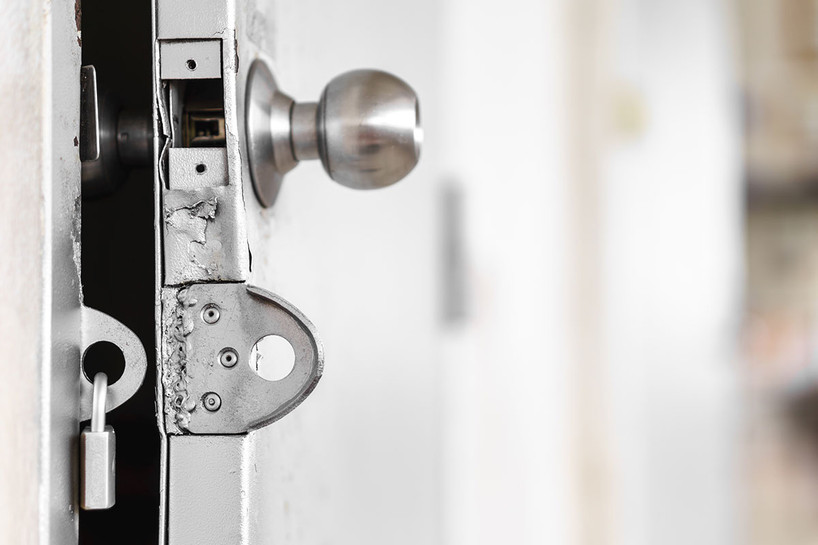
Most of us don't think about our door locks until the day one refuses to cooperate. The key won't turn, the deadbolt scrapes against the frame, or the door simply won't latch no matter how hard you push. The good news is that most common door lock issues follow a few predictable patterns, and many of them can be diagnosed in minutes and fixed with basic tools.
In this guide, we'll walk through the three door lock problems homeowners run into most often, explain what causes each one, and show you how to resolve them safely. We'll also cover the issues specific to keypad and electronic deadbolts, how to decide between a DIY repair and a locksmith, and the simple habits that keep your locks working smoothly for years.
Why Door Locks Start Giving You Trouble
A residential lock is a small precision machine. Inside a typical pin-tumbler cylinder, tiny spring-loaded pins have to line up perfectly at the shear line before the plug can rotate. The bolt then has to travel cleanly through the door edge and into the strike plate on the frame. When any part of that chain is off by even a fraction of an inch, you feel it as a sticky key, a stiff turn or a bolt that won't throw.
Several everyday factors wear down that precision over time:
- Daily use. An exterior lock may be operated several times a day, every day. Pins, springs and cams gradually wear.
- Dirt and debris. Dust, pollen, pocket lint and grit get carried into the keyway on your key and slowly build up.
- Weather and humidity. Wood doors and frames swell in humid months and shrink in dry ones, which changes how the bolt meets the strike plate. Cold snaps can thicken old lubricant or freeze moisture inside the cylinder.
- House settling. As a home ages, frames can shift slightly out of square, pulling the latch and strike out of alignment.
- Worn or poorly cut keys. A key copied from a copy, or one that has been used for years, may no longer lift the pins to the right height.
Because these causes build up slowly, a lock usually gives you warning signs before it fails completely. Catching those signs early is the easiest way to avoid being locked out, or worse, being unable to secure your home. If you want a broader overview of those warning signs, our guide to the tell-tale signs your locks need replacing is a helpful companion to this article.
Quick Diagnosis: Is It the Lock, the Door or the Key?
Before you reach for a screwdriver, take two minutes to narrow down where the problem actually lives. This simple test saves a lot of guesswork:
- Open the door and operate the lock. With the door open, turn the key or thumb turn and watch the bolt. If it extends and retracts smoothly, the lock itself is probably fine and the problem is alignment between the door and frame.
- Try a different key. If a spare key works smoothly but your everyday key sticks, the key is worn and simply needs replacing.
- Check the handle and hardware. Wiggle the knob, lever and deadbolt housing. Loose screws can let the lock shift in the door and bind.
- Look at the strike plate. Scrapes, shiny rub marks or a bolt that hits the edge of the strike opening point to a misaligned door or frame.
With that information in hand, you can match your symptoms to one of the three common issues below.
1. A Stiff, Sticky or Faulty Lock Mechanism
The most common complaint homeowners have is a lock that has become hard to operate. The key goes in but takes extra force to turn, the thumb turn feels gritty, or the bolt only moves part of the way. Left alone, a sticky mechanism tends to get worse, and forcing it can eventually snap a key or break an internal cam.
What causes a sticky lock mechanism
- Dirt, dust and old, gummy lubricant packed into the cylinder
- Worn pins or weak springs after years of daily use
- Screws that were overtightened during installation and are squeezing the lock body
- Rust or corrosion on exterior locks exposed to rain, snow or salty coastal air
How to fix a stiff door lock
- Clean the keyway. Blow out the cylinder with a can of compressed air to remove loose dust and debris.
- Use the right lubricant. Apply a small puff of powdered graphite or a dry PTFE lock lubricant into the keyway, then insert and turn the key several times to spread it. Avoid heavy household oils, which attract dirt and can gum up the pins over time.
- Check the mounting screws. Loosen the screws that hold the deadbolt or knob together by a quarter turn and test again. If the lock suddenly moves freely, the housing was being pinched. Retighten just enough to hold it firmly.
- Test with the door open and closed. If the lock now works smoothly with the door open but not when it's closed, move on to the alignment steps in Issue 2.
When a faulty mechanism means it's time to replace
Cleaning and lubrication solve most sticky locks. If the lock still binds afterward, or if you see cracked parts, heavy corrosion or a bolt that wobbles in its housing, the internal components are likely worn out. At that point replacing the lock is usually faster and more reliable than repairing it, and it's a good opportunity to upgrade. Many homeowners use a failing lock as the moment to switch to a keypad deadbolt so they never have to deal with a worn keyway again.
A regular maintenance routine is the best way to keep a mechanism from reaching this point. Our article on routine maintenance for residential door locks covers a simple seasonal schedule you can follow.
2. A Misaligned Door Latch or Deadbolt
If your lock works perfectly when the door is open but struggles once the door is closed, the problem is almost always alignment. The latch or deadbolt isn't lining up with the hole in the strike plate, so it rubs, catches or can't extend at all. This is one of the most common door lock issues in older homes and in any house that goes through big seasonal swings in humidity.
Signs of a misaligned latch
- You have to push, pull or lift the door to get the deadbolt to lock
- The latch doesn't catch, so the door drifts open on its own
- You see fresh scrape marks above or below the strike plate opening
- The door sticks at the top corner or rubs against the frame
- The deadbolt only extends partway, which means it isn't fully securing the door
How to find exactly where it's hitting
A simple trick makes this easy. Rub a little lipstick, chalk or dry-erase marker on the end of the latch or bolt, close the door and turn the lock. The mark it leaves on the strike plate shows exactly where the bolt is making contact. If the mark sits above the opening, the door has dropped. If it sits below, the frame has shifted or the strike is set too low.
How to fix a misaligned door latch
- Tighten the hinges first. Sagging hinges are the number one cause of a dropped door. Tighten every hinge screw. If a screw spins without biting, replace it with a longer screw that reaches into the wall framing behind the jamb.
- Adjust the strike plate. If the bolt is off by only a small amount, remove the strike plate, enlarge the opening slightly with a metal file on the side where the bolt was hitting, and reinstall it.
- Reposition the strike. For larger gaps, move the strike plate up or down. Fill the old screw holes with wood glue and toothpicks or golf tees, let them dry, then drill fresh pilot holes in the new position.
- Deepen the bolt hole. If the bolt can't extend fully, the hole in the frame behind the strike may be too shallow. Drill it a little deeper so the bolt can throw all the way.
While you have the strike plate off, it's worth upgrading to longer screws that reach the stud behind the door frame. A well-anchored strike plate doesn't just fix alignment; it makes the door far more resistant to being forced. You'll find more ideas like this in our list of front door security tips.
3. A Key That Sticks, Won't Turn or Breaks Off
Few lock problems are as stressful as a key that gets stuck in the cylinder, especially when you're rushing out the door or trying to get inside in bad weather. The single most important rule is simple: don't force it. Twisting harder or yanking on a stuck key is the fastest way to snap it off inside the lock and turn a small problem into a bigger one.
If the key is stuck in the lock
- Stop and straighten. Make sure the key is pushed all the way in and centered in the keyway, not angled up or down.
- Return it to the insert position. A key can only be removed when the cylinder is back in its starting position. Gently wiggle it back to vertical.
- Lubricate. Add a small amount of graphite or dry lock lubricant around the key, then gently wiggle it in and out while pulling lightly.
- Take pressure off the bolt. If the door is closed, push or pull the door slightly toward the frame. This relieves pressure on the bolt, which sometimes frees a key that's binding.
- Check for cold. In freezing weather, moisture inside the cylinder can freeze. Warm the key with your hand or a hair dryer on low heat rather than forcing it.
If the key breaks off inside the lock
If part of the key is sticking out, you may be able to grip it with needle-nose pliers and pull it straight out. If it has broken off flush with the cylinder face, a broken-key extractor can hook the key's cuts and draw it out. Avoid pushing anything into the keyway that could shove the fragment deeper. If you're not comfortable doing this, or you're locked out, this is a good time to call a professional locksmith.
Worn keys and bad copies
Many "stuck key" problems are really key problems. Keys wear down over years of use, and each copy made from a copy loses a little accuracy. If one key works smoothly and another sticks, retire the problem key and have a new one cut from an original or from the lock's key code if you have it. Keeping a spare set in a safe place also means a stuck or broken key won't leave you stranded.
Common Door Lock Issues with Keypad and Electronic Deadbolts
More homeowners now use keypad and Bluetooth deadbolts, and while they remove many of the headaches of traditional keys, they have a few issues of their own. Fortunately, most are easy to prevent.
Weak or dead batteries
The most frequent cause of an electronic lock that acts strangely, such as a slow motor, a keypad that doesn't light up or a bolt that only turns partway, is simply low battery power. Replace all the batteries at the same time with fresh, quality batteries of the type the manufacturer specifies, and put a reminder on your calendar to check them regularly. The residential deadbolts we carry, for example, run on three AA batteries.
Keypad wear and code problems
Buttons that are pressed thousands of times can show wear, and a code that's been shared too widely is a security problem as much as a mechanical one. Change your code periodically, and use temporary or scheduled access for visitors instead of handing out your main code. A model like the Bluetooth digital panel deadbolt with key override lets you open the door by code, by app or with one of two supplied keys, and the app allows single-use or date-and-time sharing for dog sitters, cleaners and rental guests.
Temperature and weather
Electronic locks have an operating temperature range, and batteries lose power faster in the cold. Our residential deadbolts are rated for roughly 14°F to 113°F (-10°C to 45°C). If you live somewhere with harsh winters, choose a model with a physical key backup and keep an eye on battery levels as the weather turns.
The same alignment rules still apply
An electronic deadbolt still throws a physical bolt, so it's just as sensitive to door sag and strike plate alignment as a traditional lock. In fact, a motor straining against a misaligned strike will drain batteries faster. If an electronic lock hesitates or jams only when the door is closed, go back to the steps in Issue 2. For more ways to keep a smart or keypad lock reliable, see our guide to electronic lock best practices for homeowners.
DIY Repair or Professional Locksmith?
Many door lock problems are well within a homeowner's comfort zone. You can usually handle these yourself:
- Cleaning and lubricating a sticky cylinder
- Tightening loose hinges, handles and deadbolt screws
- Filing or repositioning a strike plate
- Replacing batteries in an electronic lock
- Replacing an entire deadbolt with a new one of the same size
It's worth calling a professional locksmith when:
- A key has broken off flush inside the cylinder and you can't extract it
- You're locked out and don't have a spare key or code
- The door frame is cracked or split, often a sign of attempted forced entry
- You suspect someone has tampered with the lock
- The lock still fails after cleaning and alignment adjustments
A good rule of thumb: if a fix requires taking the cylinder itself apart, or if your home's security is compromised right now, get professional help.
How to Prevent Door Lock Problems Before They Start
A few minutes of attention a couple of times a year prevents most of the issues in this guide. Use this simple checklist each spring and fall:
- Operate every exterior lock with the door open and closed and note any sticking
- Clean each keyway with compressed air and add a small amount of dry lubricant
- Tighten hinge, handle, deadbolt and strike plate screws
- Check that each deadbolt extends fully into the frame
- Replace batteries in electronic locks before they run low
- Retire worn keys and cut fresh copies from an original
- Review who has your keys or door codes, and change codes if needed
Frequently Asked Questions
What is the most common door lock problem?
A stiff or sticky lock is the most common complaint, usually caused by dirt, old lubricant or wear inside the cylinder. A close second is a misaligned latch or deadbolt that rubs on the strike plate when the door is closed.
Can I use WD-40 on a door lock?
Standard oil-based sprays can clean a lock in a pinch, but they leave a residue that attracts dust and may gum up the pins over time. For regular lubrication, powdered graphite or a dry PTFE lock lubricant is a better choice.
Why does my deadbolt only lock when I push on the door?
That's a classic alignment issue. The bolt is hitting the edge of the strike plate instead of sliding into the opening. Tighten the door hinges first, then adjust or file the strike plate so the bolt lines up.
How do I get a stuck key out of my door lock?
Don't force it. Make sure the key is fully inserted and returned to its starting position, add a little dry lubricant, relieve pressure on the bolt by pushing on the door, then gently wiggle the key out. In cold weather, warm the key first.
Should I repair or replace a faulty door lock?
If cleaning, lubrication and alignment fixes solve the problem, keep the lock. If it still binds, is corroded, or has broken internal parts, replacing it is usually more cost-effective and gives you a chance to upgrade to a keypad or Bluetooth deadbolt.
Resolve Common Door Lock Issues for Good
Most common door lock issues come down to three things: a dirty or worn mechanism, a door and strike that have drifted out of alignment, or a key that has seen better days. With the diagnostic steps above, you can pinpoint the cause quickly, fix many problems yourself and know when it's time to bring in a professional.
If your lock is beyond saving, or you're simply tired of fighting with worn keys, it may be time for an upgrade. Explore our range of residential door electronic locks, including push-button and digital panel deadbolts with key backup and Bluetooth models you can share securely from your phone. Questions about which lock is right for your door? Our team at Lock Connection is happy to help.