

Bringing a baby home changes everything about how a house works. There are more visitors, new helpers coming and going, late-night feeds, a car seat in one arm and a diaper bag in the other, and very little sleep. In the middle of all that, home security rarely makes the to-do list. Yet this is exactly the time when a few simple changes can give you real peace of mind.
These home security tips for new parents cover both sides of keeping a young family safe: keeping unwanted people out, and keeping curious little hands away from things that could hurt them. None of them require a big budget, and most can be done in a weekend before or soon after your baby arrives.
Why New Parents Should Rethink Home Security
Your home was set up for adults. A new baby adds new needs, and they grow quickly. In the first months, the focus is on who comes into your home and how you manage access. Once your child starts rolling, crawling and pulling up, the focus shifts to what they can reach. By the toddler years, you also need to think about doors they can open themselves.
Planning for all three stages now means you will not be scrambling to childproof the kitchen the week your baby learns to crawl. It also means the security habits you build, such as locking up medicines and checking doors at night, become routine long before your child can test them.
Tip 1: Start With a Quick Security Audit
Before buying anything, walk through your home with fresh eyes. Check each exterior door and window, make a list of who has keys, and note any spots where your baby could eventually get into trouble, such as low cabinets, stairs and cords. Our guide to running a home security audit gives you a step-by-step route and a checklist you can print.
Do the walk-through on your hands and knees for the indoor part. It sounds silly, but it is the fastest way to see what a crawling baby will see: outlets, cords, low drawers and cabinet doors with no latch.
Tip 2: Rekey or Replace Exterior Door Locks
If you have recently moved, you have no way of knowing how many copies of your keys the previous owners, their relatives or their contractors still have. Rekeying or replacing the exterior locks is one of the most important steps you can take before your baby comes home.
New parents also have a practical reason to look at keyless options. When you are carrying a sleeping baby in a car seat, digging for keys is the last thing you want to do. A keypad deadbolt lets you punch in a code with one finger, and Bluetooth models add app access on your phone. Our keypad and Bluetooth deadbolts also take a key, so you always have a backup.

Bluetooth Push Button Deadbolt
Change the code any time and share single-use or timed access from the app.
Shop NowTip 3: Plan Access for Helpers, Sitters and Family
After a baby arrives, more people need to get in: grandparents who come to help, a night nurse, a babysitter, a house cleaner, a dog walker while you are at the hospital. Handing out physical keys to all of them creates a security problem that lasts long after the help is no longer needed.
- Use codes instead of keys. Give each regular helper their own code where your lock allows it, so you can remove one person without changing everyone's access.
- Use timed access. Bluetooth deadbolts let you share access for a single use or for a set date and time, which suits a sitter who comes on Tuesday evenings.
- Change codes when things change. When a helper stops coming, update the code the same day.
- Keep a written list. Note who has which code or key so you can review it every few months.
Also agree on simple house rules with anyone who looks after your baby: lock the door behind you, do not open the door to strangers, and know where the emergency numbers are.
Tip 4: Lock Away Medicines, Cleaners and Other Hazards
Babies explore with their hands and mouths. Common items such as dishwasher pods, drain cleaner, vitamins, pain relievers and button batteries can cause serious harm in small amounts. The safest approach is to store them high up and behind a lock, not just behind a closed door.
- Move cleaning products out from under the kitchen and bathroom sinks, or lock those cabinets.
- Store all medicines, including vitamins and creams, in one locked cabinet or box.
- Keep purses, diaper bags and visitors' bags off the floor, since they often contain medicines.
- Save the Poison Control number in your phone and post it where sitters can see it.
Magnetic cabinet locks are a favorite with parents because they install inside the cabinet with adhesive or screws, and the door looks completely normal from outside. The lock only opens when you hold the magnetic key against the outside of the door. For more ideas room by room, read our guide on how to childproof your home, and for prescriptions that need tighter control, see our article on biometric locks for medication storage.

Safety Magnetic Lock Set
No-drill childproofing for cabinets and drawers: 2 hidden locks and 1 magnetic key.
Shop NowTip 5: Protect Documents and Private Items
A new baby comes with a stack of new paperwork: a birth certificate, a Social Security card, insurance documents and medical records. Keep them together with your other important papers in a locked drawer or cabinet, rather than in the pile on the kitchen counter.
The same goes for anything you would rather keep private from a stream of visitors and helpers, such as jewelry, spare cash, a work laptop or personal files. A fingerprint cabinet lock is handy here because there are no keys to lose in the chaos, and only the fingerprints you register can open it. It is equally useful for a medicine cabinet that both parents need to open quickly.
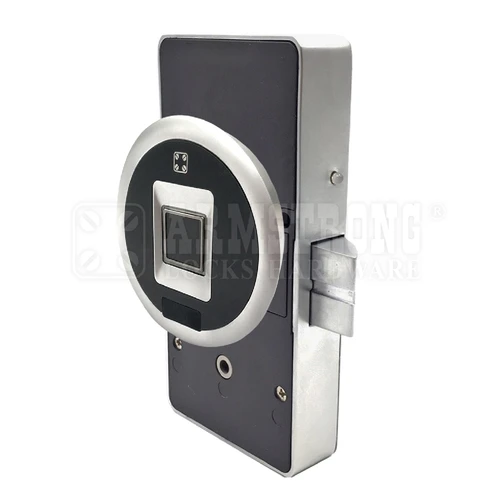
Reinforced Fingerprint Cabinet Lock G2
Metal housing and fingerprint access for up to 10 management and 10 user prints.
Shop NowTip 6: Store Firearms Locked and Separate
If there is a firearm in your home, a new baby is the moment to make sure it is stored securely every single time. Keep firearms locked and unloaded when they are not in your direct control, and store ammunition separately. Make sure the key or code is not something a child, or a visiting older child, could find or guess. Storage laws vary by state, so check the rules where you live.
Our article on keeping a handgun safe and accessible at home covers lock boxes, safes and hidden storage options.
Tip 7: Keep Doors and Windows Safe as Your Baby Grows
Home security for new parents includes thinking ahead to the day your child can move on their own.
- Windows. Use window stops or locks so windows only open a few inches, and move furniture away from windows so it cannot be used for climbing. Window screens keep bugs out, but they will not stop a child from falling.
- Blind cords. Cut or tie up looped cords, or switch to cordless blinds.
- Exterior doors. Toddlers learn to turn knobs surprisingly early. A deadbolt or a barrel bolt mounted high on the door helps keep a curious child from wandering outside.
- Stairs and rooms. Add safety gates at the top and bottom of stairs, and keep doors to garages, laundry rooms and home offices closed and latched.
One important rule: locks on bedroom and exit doors must never stop adults from getting out quickly in an emergency or from reaching a child. Keep keys and override tools where adults can find them fast.
Tip 8: Use Cameras and Monitors Wisely
Baby monitors and security cameras can give you a lot of peace of mind, especially when you return to work. Treat them as part of your home security, not just a gadget.
- Change any default password on the device and on your home Wi-Fi network.
- Keep the device's software up to date.
- Turn on two-step sign-in for the app if it offers one.
- Check who else has been invited to view the feed, and remove anyone who no longer needs it.
Tip 9: Build a Nighttime and Emergency Routine
Tired parents forget things. A simple routine makes security automatic.
- At a set time each evening, check every exterior door, including the garage entry door.
- Make sure ground-floor windows are closed and locked.
- Put car keys and house keys in the same safe place every night.
- Keep a phone charged and within reach of the bed.
- Agree on a fire escape plan that includes who picks up the baby, and make sure every lock on your exit route opens quickly from the inside.
- Test smoke and carbon monoxide alarms monthly.
Tip 10: Protect the House While You Are at the Hospital
The days around the birth are one of the few times your home may sit empty with little warning. A bit of planning in the last weeks of pregnancy keeps it from looking that way.
- Pick a trusted neighbor or relative. Give them a temporary code or key so they can collect packages, water plants and check the doors, and remove that access when you are home.
- Use light timers. A couple of lamps on timers make the house look lived in during the evening.
- Keep deliveries under control. Pause or redirect deliveries, or ask your helper to bring packages inside the same day. A pile of boxes on the porch tells everyone that nobody is home.
- Lock up before you leave. Add the doors, the garage and the ground-floor windows to your hospital bag checklist so you are not wondering about them later.
Be Careful What You Share Online
Birth announcements are exciting to share, but they can also tell strangers more than you intend. Avoid posting your street address, the exact dates you will be away, or photos that show your house number or the outside of your home. Check that your social media accounts only share posts with people you know, and ask friends and family to do the same before they post pictures of your new arrival. Once you are home, the same care applies to posts about returning to work, holiday trips and the times your home will be empty.
New Parent Home Security Checklist
- Exterior locks rekeyed or replaced after moving in
- Keypad or Bluetooth access set up for helpers, with a list of who has codes
- Codes changed when a helper stops coming
- Medicines, vitamins and cleaning products stored high and locked
- Childproof locks on low cabinets and drawers
- Important documents and valuables in a locked cabinet
- Firearms locked and unloaded, ammunition stored separately
- Window stops fitted; blind cords secured
- High door locks or bolts ready for the toddler years
- Baby monitor and camera passwords changed
- Nighttime lock check and emergency plan agreed
Frequently Asked Questions
When should new parents start childproofing?
Ideally before the baby arrives, or at least before they start rolling and crawling, which often happens within the first several months. Locking up medicines and chemicals and securing firearms should happen before the baby comes home.
Are magnetic cabinet locks good for childproofing?
They are a popular choice because they are hidden inside the cabinet and do not need drilling. The cabinet only opens when an adult holds the magnetic key against the outside. Keep the key somewhere high, and remember that no lock replaces supervision.
Should I change my locks before the baby arrives?
If you have moved recently or do not know how many keys are out there, yes. It is a simple step that removes a big unknown at a time when you will have many new people coming and going.
Are smart locks useful for new parents?
They can be. Keypad entry helps when your hands are full, and Bluetooth models let you share or remove access for sitters and family without handing out keys. Choose a model with a key backup so you are never locked out.
What should I lock up first?
Start with anything that could cause serious harm quickly: medicines, cleaning chemicals, button batteries, sharp tools and firearms. Then move on to low cabinets, drawers and doors to rooms your child should not enter alone.
Keep Your Growing Family Safe
Home security for new parents is about two things: controlling who comes in, and controlling what your child can reach. Rekey or upgrade your exterior locks, set up simple access for the people who help you, lock away anything dangerous, and build routines you can follow even when you are exhausted. Small steps taken now will protect your family for years.
Ready to start? Browse our cabinet and drawer locks, including the no-drill safety magnetic lock set, and explore our keypad and Bluetooth deadbolts for easier, safer access to your home.