
Key Highlights
-
- Biometric locks use a fingerprint scan, not a key or memorized code, to control who can open medication storage.
- They come in several formats, including cabinet and drawer locks, portable padlocks, and multi-lock panel systems for households managing more than one storage location.
- Most models support multiple enrolled fingerprints, so you can authorize specific family members or caregivers while excluding children, teens, or visitors.
- A backup PIN or key override is worth prioritizing, since fingerprint sensors can occasionally fail to read a wet, dirty, or injured finger, and batteries eventually run low.
- Biometric locks meaningfully reduce casual or opportunistic access, but no lock, biometric or otherwise, guarantees against theft, misuse, or determined tampering.
- A lock works best paired with other habits: original labeled containers, proper disposal of expired medication, and reassessing your setup as your household changes.
Prescription bottles, over-the-counter pain relievers, and controlled substances all tend to end up in the same places: a kitchen cabinet, a bathroom shelf, or a nightstand drawer. That's convenient for daily use, but it also means medications are often the easiest thing in the house to reach for a curious toddler, a stressed-out teenager, an unsupervised guest, or anyone who shouldn't have access.
Biometric locks have become a popular way to close that gap. Instead of relying on a key that can be lost, copied, or left in an obvious hiding spot, a biometric lock opens with a fingerprint. This guide explains how the technology works, where it makes sense for medication storage, what to look for when choosing a lock, and where its limitations are, so you can make an informed decision rather than just a reassuring-sounding one.
Why Secure Medication Storage Matters
Most households don't think of their medicine cabinet as a security risk, but medications carry real value and real danger depending on who finds them. A few common scenarios illustrate why locking up medication is worth the extra step:
- Young children are naturally curious and will investigate anything within reach. Pills, capsules, and liquid medications can look like candy or juice to a toddler, and even common over-the-counter products can cause harm in the wrong dose.
- Teenagers sometimes experiment with prescription medications found at home, whether their own, a sibling's, or a parent's. Easy access at home is one of the more common ways teens first encounter prescription drugs.
- Guests, contractors, and part-time caregivers move through the house regularly and may have opportunities to see or access medications left in plain sight, even unintentionally.
- Multi-generational households often manage several people's prescriptions at once, which increases the chance of mix-ups, accidental double-dosing, or someone taking the wrong bottle.
- Theft is also a factor. Certain prescription medications, particularly controlled substances, have resale value, which makes an unsecured medicine cabinet a target during a break-in or even a house party.
None of this means every household needs a vault. It means that for many families, a locked storage solution is a reasonable, low-effort way to reduce risk, and a biometric lock is one option worth understanding.
What Is a Biometric Lock and How Does It Work?
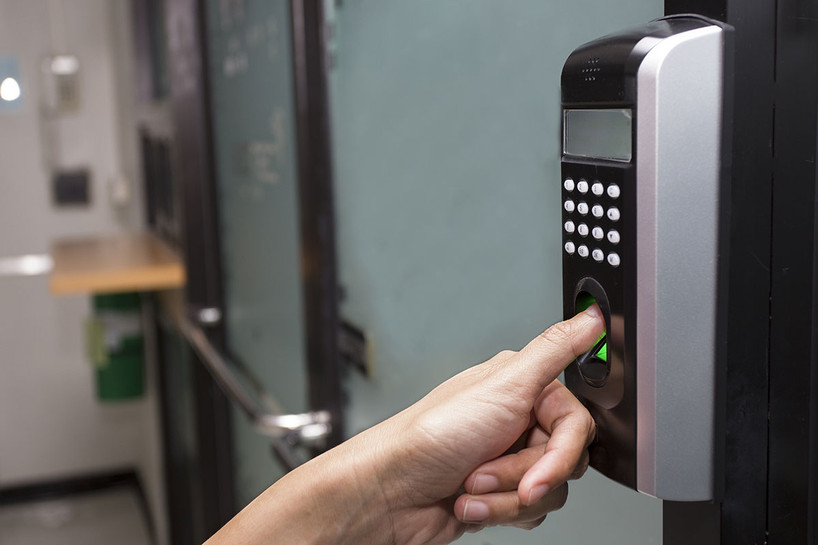
A biometric lock is a lock that uses a physical characteristic, almost always a fingerprint in consumer products, to verify identity instead of a physical key or a memorized code. At a basic level, the process works like this:
- Enrollment. You place your finger on the lock's sensor, which captures the pattern of your fingerprint and converts it into a digital template. The lock stores that template, not an actual image of your fingerprint.
- Scanning. Each time someone tries to open the lock, the sensor scans the finger presented and converts it into the same type of digital template.
- Matching. The lock compares the new scan against the templates it has stored. If there's a match, the lock releases. If there isn't, it stays locked.
Most consumer biometric locks can store multiple fingerprints, which means more than one person in the household can be enrolled as an authorized user. We cover the mechanics of this technology in more detail in our post on how fingerprint door locks work, which applies to the same underlying sensor technology used in smaller cabinet and drawer locks.
Why Consider a Biometric Lock for Medication Storage?
Traditional key locks and basic cabinet latches still work, but they come with familiar downsides: keys get lost, hidden in obvious places, or copied, and simple latches are often easy for a determined child or teenager to defeat. Biometric locks address a few of these gaps directly.
Fast, Convenient Access for Authorized Users
For anyone managing daily medications, especially caregivers handling doses for multiple people or seniors managing their own prescriptions, a fingerprint scan is typically quicker than digging for a key or remembering a combination. This matters more than it might sound: friction at the point of access is one reason people stop using a lock consistently, which defeats the purpose.
No Keys to Lose, Hide, or Duplicate
A physical key has to go somewhere when it's not in use, and “somewhere” often ends up being a drawer, a hook by the door, or taped under a shelf, all places a child or teenager can eventually find. A fingerprint can't be misplaced, left behind, or handed off, which removes one of the most common ways household locks get bypassed unintentionally.
Control Over Who Can Access Medication
Because most biometric locks support multiple enrolled fingerprints, you can decide exactly who has access. Both parents in a household, or a caregiver and a family member, might be enrolled, while children, teenagers, or occasional visitors are excluded. This is a meaningful improvement over a shared key or a combination that eventually gets guessed or overheard.
Where Can Biometric Locks Be Used for Medication Storage?
Biometric locking hardware is available in several formats, and the right one depends on how much medication you're storing and where.
- Cabinet and drawer locks are a natural fit for kitchen cabinets, bathroom vanities, or a dedicated medicine drawer, since they mount directly to existing furniture without requiring a full replacement. Lock Connection's digital cabinet lock lineup includes fingerprint and password models, including systems that can control multiple cabinets or drawers from a single sensor panel, useful for households managing more than one storage location.
- Portable biometric padlocks work well for a lockbox, a soft-sided medication case, a travel bag, or a small storage container that isn't built into furniture. Our fingerprint biometric padlock options are compact and battery-powered, making them a reasonable choice for smaller quantities of medication or for securing a bag when traveling.
- General fingerprint and biometric lock hardware, found in our broader fingerprint/biometric lock category, covers additional mounting styles and configurations if you're securing a larger storage box, a cabinet with a nonstandard door, or multiple access points at once.
For households already storing valuables in a cabinet with glass doors, a RFID lock for wood and glass is worth a look as well. RFID card access isn't biometric, but it solves the same core problem (no shared physical key) and can be a good option for households that prefer not to enroll fingerprints for every user.
How to Choose the Right Biometric Lock for Medication Storage
Not every biometric lock is built the same way, and the right choice depends on your household. Consider the following before buying:
- Number of users. Check how many fingerprints the lock can store and confirm that's enough for everyone who legitimately needs access.
- Mounting type and location. Cabinet and drawer locks typically require drilling or mounting hardware; portable padlocks don't. Confirm the lock fits the door, drawer, or container you actually have.
- Backup access. Fingerprint sensors can occasionally fail to read a finger that's wet, dirty, or injured, and batteries eventually run low. Look for a lock that includes a backup method, such as a physical key override or a PIN code, so you're never fully locked out.
- Power source and battery life. Most biometric locks run on replaceable or rechargeable batteries. Understand how the lock signals a low battery and how easy it is to replace or recharge before it dies completely.
- Environment. A lock mounted in a bathroom will be exposed to more humidity than one in a kitchen cabinet or closet, which is worth factoring into placement and lock choice.
- Budget versus capacity needs. A single-cabinet fingerprint lock is a very different purchase than a multi-lock panel system managing several drawers at once. Match the hardware to how much you're actually storing.
If you're weighing biometric access against other modern lock technology, such as Bluetooth, RFID, or combination-based systems, our guide on layered home security solutions breaks down how these approaches compare and where combining more than one method makes sense.
Considerations for Different Households
Homes With Children and Teens
For families with young children, the priority is usually keeping medication completely out of reach and out of sight, with a lock that a child cannot defeat through trial and error. For teenagers, the priority shifts slightly: the lock needs to control access even from someone who is old enough to attempt to pick, pry, or guess their way in, which is where fingerprint-based access has an advantage over a shared PIN or hidden key.
Caregivers and Multi-Person Households
Households managing medications for several people, such as an aging parent, multiple children with different prescriptions, or a family member recovering from surgery, benefit from a lock that supports multiple enrolled users and, ideally, separate storage compartments so different medications don't get mixed up. A multi-lock cabinet system can help keep each person's medications distinct while still restricting access to authorized caregivers.
Seniors and Aging in Place
Biometric locks can be genuinely useful for seniors managing their own medication, since there's no key to misplace and no code to forget. That said, fingerprint sensors don't always read reliably for everyone: thinner or drier skin, certain skin conditions, or reduced fine motor control can occasionally make scanning less consistent. If this is a concern, a lock with a reliable PIN or combination backup, not just a fingerprint-only design, is worth prioritizing so access never depends entirely on a successful scan.
Installation, Power, and Maintenance Considerations
Most cabinet and drawer biometric locks are designed for straightforward installation with basic tools, though the process varies by model and mounting style: some use drilled screws, others use adhesive backing or clamp-style brackets for retrofitting existing furniture without permanent modification. Whichever you choose, follow the manufacturer's installation instructions and confirm the lock is mounted securely enough that the cabinet or drawer can't simply be forced open around it.
On the maintenance side, keep the fingerprint sensor clean and dry, since dirt, moisture, or residue can affect scan accuracy over time. Check battery levels periodically rather than waiting for a low-battery warning, and test any backup key or PIN access occasionally so you know it still works if you ever need it in a hurry. If your household composition changes (a caregiver leaves, a teenager moves out, a new family member needs access), update the enrolled fingerprints accordingly rather than leaving old access active indefinitely.
Best Practices for Keeping Medications Secure at Home
A lock is one part of a broader medication safety routine, not a complete solution on its own. A few additional habits worth pairing with secure storage:
- Store medications in their original, labeled containers so doses and expiration dates stay clear, even inside a locked cabinet.
- Keep a written or digital record of who is authorized to access shared medication storage, particularly in caregiving situations with multiple people involved.
- Dispose of expired or unused medication properly rather than letting it accumulate. Many pharmacies and local law enforcement agencies offer take-back programs for this purpose.
- Avoid storing medication near heat, direct sunlight, or excess humidity (a locked bathroom cabinet may not be the ideal spot for medications sensitive to moisture, even though it's convenient).
- Reassess your storage setup periodically, especially after a change in household members, a child getting older, or a new caregiver coming on board.
Limitations of Biometric Locks and Additional Security Considerations
Biometric locks meaningfully reduce casual or opportunistic access to medication, but it's worth being realistic about what they don't do. No lock, biometric or otherwise, guarantees that theft, misuse, or accidental access can never happen. A determined adult with tools and time can defeat most consumer-grade locks eventually, and a fingerprint sensor is a piece of electronics that can occasionally malfunction, lose power, or fail to read correctly.
For households storing a small number of prescriptions, a well-chosen biometric cabinet or drawer lock is usually a reasonable and proportionate solution. For households managing a larger quantity of controlled substances, or with heightened security needs, it's worth considering additional measures alongside a biometric lock: a more heavily built safe, a storage location that isn't obvious to visitors, or a broader home security setup. Biometric access is a strong piece of a medication safety plan; it works best as part of a layered approach rather than a stand-alone guarantee.
It's also worth keeping medical guidance separate from storage guidance. A biometric lock helps control physical access to medication, but it has no bearing on dosing schedules, drug interactions, or other medical decisions. Those questions belong with a pharmacist or physician, not a locking mechanism.
Frequently Asked Questions
Are biometric locks safe for storing medication?
Biometric locks are a reasonable option for restricting who can physically access stored medication. They reduce the chance of casual or unauthorized access but, like any lock, aren't an absolute guarantee against every possible scenario, including determined tampering or mechanical failure.
Can a biometric lock fail to recognize a fingerprint?
Yes. Wet, dirty, injured, or otherwise altered fingers can occasionally cause a misread. This is why choosing a lock with a backup access method, such as a PIN or key override, is a practical safeguard rather than an optional extra.
What happens if the battery dies on a biometric medication lock?
Most battery-powered biometric locks include a warning indicator before the battery is fully depleted, and many offer a backup access method (key or PIN) so you aren't locked out entirely. Checking battery status periodically, rather than waiting for a failure, is the best way to avoid an inconvenient surprise.
Are biometric medication locks childproof?
They're designed to be very difficult for a child to open without an enrolled fingerprint, which is a significant improvement over an unlocked cabinet or a simple latch. No lock can be described as absolutely childproof in every circumstance, so pairing a locked storage solution with keeping medication out of sight and out of reach is still good practice.
Can multiple family members be enrolled on one biometric lock?
Most consumer biometric cabinet and drawer locks support multiple stored fingerprints, which lets you authorize more than one adult or caregiver while keeping others out. Check the specific model's stated user capacity before purchasing if you need access for several people.
Do biometric locks work for storing controlled substances?
A biometric lock can add a meaningful layer of access control for controlled substances stored at home, but it isn't a substitute for any legal or regulatory storage requirements that may apply in specific situations, such as for a licensed caregiver or medical facility. When in doubt, check applicable guidance for your specific circumstances.
What's the difference between a biometric lock and a combination lock for medication storage?
A combination lock relies on a memorized code, which can be shared, overheard, or eventually guessed by a persistent teenager. A biometric lock relies on a physical trait that's harder to pass along or duplicate, though it depends on working sensor hardware and battery power. Some households prefer combining both: a combination lock as a backup or secondary layer alongside biometric access.
Final Thoughts
Keeping medication secure at home isn't about creating an impenetrable vault. It's about closing the easy, everyday opportunities for the wrong person to gain access, whether that's a curious child, an experimenting teenager, or an unauthorized guest. Biometric locks offer a practical, low-friction way to do that for households managing anything from a single prescription to multiple family members' medications.
The right solution depends on how much you're storing, who needs access, and where the storage location will live in your home. If you're not sure which lock fits your situation, reach out to Lock Connection. We can help you compare options and choose a setup that matches your household's actual needs rather than a one-size-fits-all recommendation.