
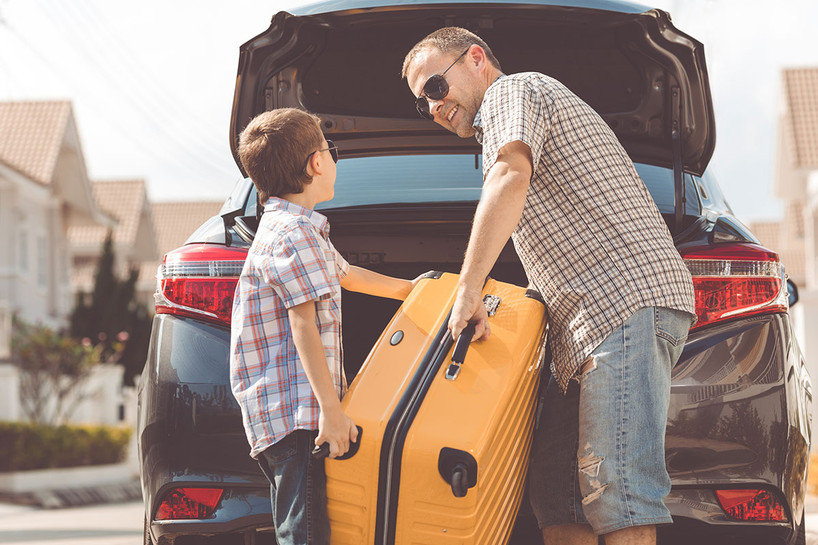
A vacation should be about rest, not about wondering whether you locked the back door. The good news is that it doesn't take expensive equipment or a complicated plan to protect your home while on vacation. A few days of preparation, some smart habits, and the right locks go a long way toward keeping your house safe, whether you're gone for a long weekend or a few weeks.
Burglars and opportunistic thieves look for one thing above all else: signs that nobody is home. An empty driveway, a pile of packages on the porch, a dark house night after night, or a stream of beach photos on social media all send the same message. Your job before you leave is to remove those signals and make your home harder to get into if someone decides to try anyway.
This guide covers the four essential tips (keep the house looking lived-in, stop your mail, keep your plans private, and lock up properly), then adds the extra steps that turn them into a complete vacation home security plan.
Why You Need to Protect Your Home While on Vacation
When you're home, your daily routine does a lot of security work without you noticing. Lights go on and off, cars come and go, the trash goes out on schedule, and packages get picked up the same day they arrive. The moment you leave for vacation, all of that stops at once.
That sudden change is exactly what someone watching a neighborhood notices. A house that looks "paused" stands out. The goal of every tip below is to make your home look lived-in, keep strangers from learning you're away, and make sure that every door and window would slow down anyone who tried to get in.
It helps to think about vacation security in three layers:
- Look occupied: lights, mail, packages, yard care and a car in the driveway.
- Stay private: control who knows you're away, both online and offline.
- Stay secure: strong locks on every entry point, controlled access for anyone who needs to get in, and valuables locked away inside.
Tip 1: Make Your Home Look Lived-In
A dark, silent house is the most obvious sign that nobody is home. Many of us were raised to turn off every light when leaving a room, but when you're going away for days, leaving the whole house dark is a mistake.
Use Timers and Smart Lighting
Plug-in timers are inexpensive and easy to set up. Put a few lamps on timers in rooms that are visible from the street, such as the living room, kitchen and an upstairs bedroom. Set them to switch on in the early evening and off at a normal bedtime. If you have smart bulbs or smart plugs, use their "away" or randomize features so lights don't click on at the exact same minute every night.
Light Up the Outside
Exterior lighting matters just as much. Motion-activated floodlights over the driveway, garage and back door make it uncomfortable for anyone to approach your home unseen. Check that every outdoor bulb works before you leave, and consider dusk-to-dawn bulbs for porch fixtures so your entryways are never completely dark.
Keep the Yard and Driveway Looking Normal
- Arrange for someone to mow the lawn or shovel snow if you'll be gone more than a week.
- Ask a trusted neighbor to park in your driveway occasionally, or leave a car there yourself if you're getting a ride to the airport.
- Ask the same neighbor to put your trash cans out and bring them back on collection day.
- Leave curtains and blinds in their usual daytime position rather than closing everything up tight.
Tip 2: Stop Mail, Packages and Deliveries
An overflowing mailbox or a stack of boxes on the front step is an open invitation. It tells anyone passing by that nobody has been home for days, and it gives package thieves an easy target.
Put Your Mail on Hold
In the United States, you can request the USPS Hold Mail service online. It holds your mail for a minimum of 3 days and a maximum of 30 days, and you can schedule it up to 30 days in advance. If you still get a printed newspaper, pause delivery for the same dates.
Manage Online Orders
- Avoid ordering anything that could arrive while you're away.
- If a delivery is unavoidable, ship it to a trusted friend, your workplace, or a carrier pickup location.
- Ask a neighbor to check your porch every day or two and bring in any flyers, door hangers or unexpected packages.
Tip 3: Keep Your Travel Plans Private
It's natural to want to share your trip, but the fewer people who know your house is empty, the better. Remember that it isn't only your friends who can see what you post.
Wait to Post on Social Media
Save the vacation photos and check-ins until you're back home. Real-time posts, location tags and "counting down to our trip" updates tell anyone who can see your profile exactly when your house is empty. Take a minute to review your privacy settings, too, and remember that friends-of-friends and public tags can reach far beyond your own followers.
Watch What You Say Offline
- Don't record an out-of-office voicemail greeting that says you're traveling.
- Keep out-of-office email replies vague ("I'm away from the office until Monday") rather than announcing that you're overseas.
- Don't put your home address on luggage tags. A work address or just a phone number and email is safer.
- Be careful about discussing trip dates with service workers or in public places.
Tip 4: Lock Down Every Entry Point
All of the tips above make your home less likely to be targeted. This one decides what happens if someone tries anyway. Your house is only as secure as the locks that protect it, so check every door and window before you leave, not just the front door.
Walk Through Doors and Windows
- Exterior doors: make sure every door has a working deadbolt and that the bolt fully extends into the frame. Tighten loose strike plates and replace worn or sticky locks before your trip.
- Back and side doors: these are often hidden from the street, so they deserve the same quality of lock as your front door.
- Sliding patio doors: add a security bar or pin in the track. Our guide to making your sliding door more secure covers several simple options.
- Windows: lock every window, including upstairs windows and small basement windows that are easy to forget.
- Garage: lock the door between the garage and the house, unplug or lock out the garage door opener if you won't need it, and don't leave a remote in a car parked outside.
For a deeper look at strengthening your main entrance, see our front door security tips.
Upgrade to a Keypad Deadbolt
Travel is a great time to rethink physical keys. Keys get copied, lost and handed out, and once a key is out in the world you can't easily take it back. A keypad deadbolt lets you give someone a code instead, and you can change that code as soon as you get home.
Lock Connection's electronic deadbolt locks for exterior doors include push-button and digital panel models. Each one lets you change the code whenever you need to, includes a key override, runs on 3 AA batteries, and is rated for temperatures from -10°C to 45°C (14°F to 113°F). If you install one before a trip, replace the batteries before you leave so you don't come home to a low-battery warning.
Beyond the Four Tips: Control Who Can Get In While You're Away
Many households need someone to enter while they travel: a pet sitter, a neighbor watering plants, a house cleaner, or a family member checking on things. How you give them access matters.
Skip the Hidden Spare Key
The fake rock, the flowerpot, the top of the door frame and the doormat are the first places anyone would look. If you must leave a physical key, hand it directly to a trusted person instead of hiding it outside.
Share Access Digitally Instead
A Bluetooth smart deadbolt removes the spare-key problem entirely. The Bluetooth push-button deadbolt with key override works with an app that lets you share access for a single use or for a specific date and time window. That makes it a practical choice for dog sitters, cleaning services, rental guests or anyone you want to let in without handing over a real key. When the window ends, their access ends with it.
Brief Your House Sitter or Neighbor
- Give them your travel dates, a way to reach you, and a local emergency contact.
- Show them where the water shutoff and electrical panel are.
- Ask them to vary the times they visit so there is no predictable pattern.
- Ask them to check that doors are locked when they leave, every time.
Some local police departments also offer vacation house checks, where an officer drives by while you're away. Call your department's non-emergency line to ask whether this is available in your area.
Secure Valuables Inside Your Home
Good exterior security is the first line of defense, but it's smart to plan for the worst case too. If someone does get inside, you want them to leave with as little as possible.
- Store important documents such as passports you aren't taking, birth certificates and financial paperwork in a locked safe or cabinet.
- Don't leave spare car keys, laptops or jewelry in obvious places like the entry table or the top dresser drawer.
- Take photos or a quick video of your valuables and serial numbers before you leave. It makes insurance claims much easier.
- If you own firearms, make sure they're locked up so that no one else can get to them.
A hidden cabinet lock is one of the simplest ways to protect valuables inside the home. The hidden RFID cabinet and drawer locks at Lock Connection mount inside the cabinet, so there is no keyhole or visible lock on the outside. The drawer simply looks like a normal drawer and opens with an RFID card or key fob. They work well for dressers, desks, closets, gun storage and furniture where you'd rather not advertise that something valuable is inside.
Prepare the House Itself
Not every vacation risk comes from a burglar. Water leaks, power surges and appliance problems can do serious damage when nobody is around to notice.
- Unplug non-essential electronics such as TVs, computers and small kitchen appliances to protect them from power surges and save energy.
- Consider shutting off the main water supply, or at least the supply to the washing machine, if nobody will be checking the house. If you have an irrigation system or a home that depends on water for heating, ask a plumber first.
- Set the thermostat sensibly: warm enough in winter to prevent frozen pipes, and not so high in summer that it wastes energy.
- Empty the fridge of anything that will spoil and take out the trash so nothing attracts pests or odors.
- Test smoke and carbon monoxide detectors and replace batteries if needed.
Your Vacation Home Security Checklist
Use this quick checklist in the days before you leave:
One to Two Weeks Before
- Schedule USPS Hold Mail and pause newspaper delivery.
- Arrange a house sitter, pet sitter or neighbor check-ins.
- Replace worn locks, fix loose strike plates, and install any new deadbolts.
- Book lawn care or snow removal for longer trips.
The Day Before
- Set light timers and smart lighting schedules.
- Share digital access or door codes with your sitter, and collect any hidden spare keys.
- Lock valuables and documents away.
- Unplug electronics, adjust the thermostat and empty the fridge.
As You Walk Out the Door
- Lock every window and exterior door, including the garage entry door.
- Put the security bar in the sliding patio door.
- Leave curtains in their normal position.
- Resist the urge to post "Vacation starts now!"
Frequently Asked Questions
Should I leave lights on while I'm on vacation?
Yes, but not all day. A light that stays on around the clock can actually signal that nobody is home. Use timers or smart lighting so a few lights turn on in the evening and off at bedtime, just as they would if you were there.
Is it safe to hide a spare key outside?
It's best to avoid it. Common hiding spots are well known. Give a key directly to someone you trust, or use a keypad or Bluetooth deadbolt so you can share a code or time-limited access instead of a physical key.
How long can the post office hold my mail?
The USPS Hold Mail service holds mail for 3 to 30 days. You can request it online up to 30 days before your trip. For longer absences, look into mail forwarding instead.
When should I post vacation photos on social media?
After you get home. Posting in real time, or tagging your location, tells people your house is empty. Your photos will be just as enjoyable to share once you're back.
Are electronic door locks a good idea for travelers?
They can be very helpful. A keypad deadbolt lets you give a sitter a code instead of a key and change it when you return. A Bluetooth model can share single-use or date-and-time access through an app. Models with a key override still let you get in with a key if needed.
What should I lock up inside the house before a trip?
Anything that would be hard to replace or dangerous in the wrong hands: important documents, jewelry, spare keys, medications, and firearms. A locked cabinet, drawer or safe keeps these out of sight and out of reach.
Enjoy Your Trip With Peace of Mind
The best way to protect your home while on vacation is to plan ahead. Make the house look lived-in, stop mail and packages from piling up, keep your travel plans private, and make sure every door and window is properly locked. Then control who can get in while you're gone and keep your valuables secured inside.
Lock Connection can help with the locking side of that plan. Browse our residential electronic door locks for your exterior doors and our hidden cabinet locks for valuables inside. If you have questions about the right lock for your home, contact our team before your next trip.