
Introduction
At Lock Connection LLC, we understand a fundamental truth that resonates across residential and commercial sectors: you're only as safe as the locks that protect your property. Whether you're a homeowner seeking peace of mind or a business owner managing critical security infrastructure, the quality and sophistication of your lock installations directly determine your overall security posture.
For decades, professional locksmiths have relied on trusted padlock brands like Yale and Master as the cornerstone of security strategies. However, the security landscape has transformed dramatically. Modern technology has revolutionized how we protect our homes and businesses, moving beyond traditional mechanical locks to sophisticated digital solutions that offer unprecedented control, accountability, and peace of mind.
This comprehensive guide explores the evolution of lock technology, examines the innovative security solutions available today, and helps you understand which systems best serve your specific needs.
The Foundation of Security: Understanding Lock Quality and Installation Standards
The principle that 'you're only as safe as your locks' reflects a critical reality in security planning. A lock is only effective when three essential elements align: quality materials, proper installation, and appropriate selection for the intended application.
Traditional mechanical locks—including padlocks, deadbolts, and combination locks—have served as reliable security solutions for centuries. Their mechanical simplicity, durability, and low maintenance costs made them the industry standard. However, they share inherent limitations: keys can be lost, copied, or stolen; combination codes can be forgotten or compromised; and there's no record of access patterns.
Professional locksmiths recognize that while quality traditional locks form the foundation of any security strategy, modern threats demand modern solutions. This understanding has led to the development and widespread adoption of advanced security technologies that complement or replace traditional mechanical systems.
Traditional Security Solutions vs. Modern Technology: The Evolution of Locks
The transition from traditional to modern lock technology represents more than just innovation—it's a fundamental shift in how we approach security. Understanding these differences helps property owners make informed decisions about upgrading their security infrastructure.
Traditional Locks offer:
- Simplicity and familiarity in daily use
- No reliance on power sources or batteries
- Lower initial costs
- Universal compatibility with standard doors and frames
- No access logs or audit trails
Modern Locks provide:
- Keyless access through multiple authentication methods
- Real-time access monitoring and detailed logs
- Remote access control via smartphone or computer
- Multi-factor authentication options
- Integration with comprehensive security systems
- Reduced risk of unauthorized key duplication
Bluetooth Locks: The Foundation of Smart Home and Business Security
Bluetooth lock technology represents one of the most accessible and practical transitions from traditional mechanical locks to modern security systems. By leveraging wireless communication protocols, Bluetooth locks eliminate the need for physical keys while maintaining ease of use and affordability.
How Bluetooth Locks Work
Bluetooth locks operate by removing the traditional key mechanism from the security equation. Instead of inserting a physical key, users authenticate through a smartphone app that communicates directly with the lock via Bluetooth wireless protocol. The lock contains a battery-powered actuator and control module that receives authentication signals from approved devices.
Even if someone possesses a physical key—whether through theft, loss, or unauthorized duplication—they cannot open the lock without the corresponding digital credentials stored in the system. This fundamental separation between possession of a physical key and the ability to unlock represents a significant security advancement over traditional locks.
The Benefits of Bluetooth Locks for Home and Business Security
Bluetooth locks offer numerous advantages that make them ideal for both residential and commercial applications:
- Convenient Access: Grant or revoke access instantly through mobile apps without physical key distribution
- Temporary Access: Provide time-limited access codes to visitors, service providers, or employees
- Access History: Review detailed logs showing who accessed the door and when
- Cost Efficiency: Eliminate expensive lock rekeying when users change
- Security Auditing: Quickly identify unauthorized access attempts
- Multi-User Management: Different access levels for different users
Practical Applications of Bluetooth Locks
Bluetooth locks excel in numerous real-world scenarios. Homeowners use them to provide temporary access to housekeepers, contractors, or guests without distributing physical keys. Businesses leverage them to control access to multiple doors from a central management system. Property managers streamline tenant access and maintenance scheduling. The versatility of Bluetooth locks makes them suitable for residential door electronic lock applications and integration into broader security infrastructures.
Biometric Locks: The Science of Personal Identification and Advanced Security
Biometric lock technology once seemed like science fiction—the exclusive domain of government facilities and high-security installations. Today, biometric systems have become affordable, reliable, and available to homeowners and businesses seeking the most advanced personal identification security available.
How Biometric Technology Works in Lock Systems
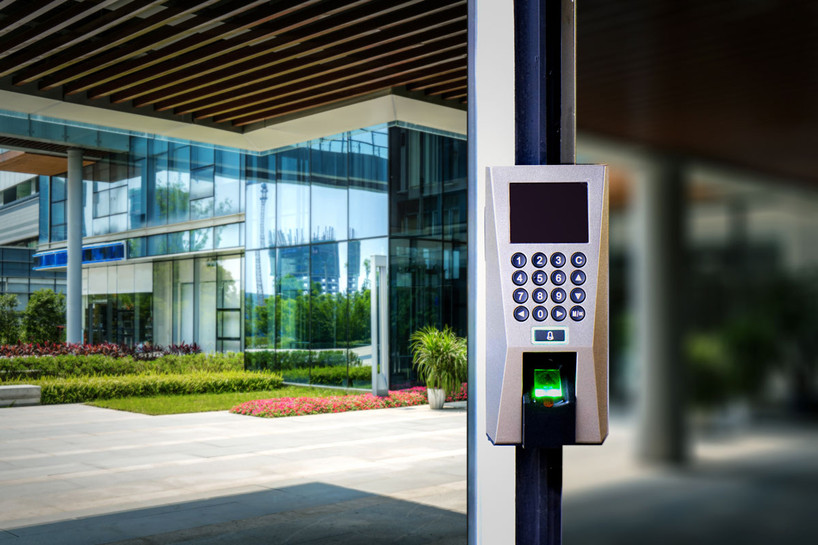
Biometric locks use unique physical characteristics for identification and authentication. Fingerprint recognition systems scan ridge patterns unique to each individual. The system captures a digital representation of the fingerprint, stores this data securely, and compares subsequent scans against the stored template. Modern biometric sensors achieve exceptional accuracy, with false rejection rates below 1% and false acceptance rates approaching zero.
The elegance of biometric security lies in its fundamental premise: you are the key. Your biometric characteristics cannot be lost, stolen, forgotten, or duplicated. There is no physical credential to compromise, no code to memorize, and no way for unauthorized individuals to gain access even with perfect lock-picking skills or advanced tools.
Why Biometric Locks Are the Gold Standard for Advanced Security
Biometric locks represent the current pinnacle of personal identification security technology. They offer unparalleled advantages for organizations and individuals prioritizing maximum security:
- Impossible to Bypass: Biometric data cannot be duplicated or stolen in the traditional sense
- Zero Key Management: No physical keys, fobs, or cards to track and replace
- Individual Accountability: Every access creates an irrefutable audit trail linked to the specific individual
- Workplace Compliance: Meets stringent regulatory requirements for controlled access in healthcare, research, and financial sectors
- User Acceptance: Once implemented, employees and residents appreciate the security and convenience
- No Forgotten Credentials: Biometric data is always with you—no more lost keys or forgotten codes
Biometric Padlocks vs. Biometric Door Locks: Choosing the Right Solution
Lock Connection offers biometric solutions tailored to different security needs. Fingerprint biometric locks provide access control at exterior and interior doors, integrating seamlessly into building security systems. Fingerprint biometric padlocks serve specialized applications including cabinet security, equipment protection, and restricted zone access.
Biometric padlocks excel in scenarios requiring portable security—they're ideal for securing tool cabinets, filing systems, equipment lockers, and gun safes. The 24mm diameter sensor area on advanced models provides reliable fingerprint recognition comparable to door-mounted systems, while maintaining the security benefits of padlock form factors.
We predict a significant sea change toward biometric security systems within the next few years. As the technology matures, costs continue declining, and acceptance increases, biometric systems will become standard rather than exceptional in security installations.
RFID Locks: Enterprise-Grade Security for Controlled Access Environments
Radiofrequency identification (RFID) technology represents a different approach to access control, one that's rapidly gaining ground in commercial, educational, and enterprise environments. RFID locks offer elegant solutions to complex access control challenges.
Understanding RFID Technology and Smart Card Systems
RFID locks operate through wireless communication between a card reader and a smart card or fob. When an authorized user presents their card near the reader, the RFID system interrogates the card, verifies its credentials, and actuates the lock. Unlike Bluetooth systems that require smartphones, RFID systems utilize dedicated smart cards or fobs that remain active regardless of battery status in other devices.
RFID technology supports multiple authentication levels. Basic systems simply verify whether a card is authorized. Advanced systems track which specific individual presented a card at what time. Some implementations integrate biometric verification with RFID credentials, creating multi-factor authentication at the physical access point.
Commercial and Enterprise Applications of RFID Locks
RFID locks for wood and glass doors have become standard in cutting-edge business campuses, research facilities, healthcare institutions, and secure commercial locations. The non-contact nature of RFID systems eliminates wear on physical lock mechanisms, reduces maintenance requirements, and provides seamless integration with centralized security management systems.
- Access Provisioning: System administrators can instantly grant or revoke access to specific individuals without physical key changes
- Restricted Zone Protection: Prevent unauthorized personnel from entering sensitive areas
- Integration with Building Management: Coordinate RFID locks with elevator systems, parking access, and building automation
- Audit Trails: Complete records of who accessed secure areas and when
- Emergency Override: Override capability for emergency personnel during critical situations
- RFID Accessories: Lock Connection offers comprehensive RFID accessories including smart cards, fob holders, reader configurations, and system integration components to support complete RFID implementations across facilities.
The Rapid Innovation in Lock Technology and Security Systems
The emergence of Bluetooth locks, biometric systems, and RFID technology represents only the beginning of security innovation. Manufacturers continue developing hybrid systems, integrating multiple authentication methods, and creating solutions that address specific security challenges. This rapid innovation benefits property owners and facility managers by providing increasingly sophisticated tools to protect assets, control access, and maintain detailed security records.
Choosing the Right Security Solution: Matching Technology to Your Needs
With multiple lock technologies available, selecting the optimal solution requires understanding your specific security requirements, budget constraints, and operational considerations.
Residential Security Requirements and Solutions
Homeowners seeking to upgrade from traditional locks should consider several factors. A Bluetooth lock provides excellent security for exterior doors, allowing remote access for housekeeping staff, contractors, and guests. Biometric padlocks work well for securing storage areas, gun safes, or valuable equipment within the home. A combination of technologies—maintaining traditional deadbolts as backup while adding biometric access to specific areas—creates layered security.
Budget-conscious homeowners can prioritize Bluetooth locks for main entry points and digital cabinet locks for interior security. As comfort with the technology grows, additional upgrades can expand the system. Many residential customers appreciate that Bluetooth and biometric systems eliminate the need to distribute physical keys to family members, trusted friends, or service providers.
Commercial Security Requirements and Implementation Strategy
Commercial facilities face more complex security challenges. A comprehensive security strategy typically incorporates multiple lock types:
- Primary entrance: RFID or Bluetooth locks with integration into building management systems
- Interior restricted areas: Biometric locks or RFID systems for accountability
- Cabinet and equipment security: Biometric padlocks and digital cabinet locks
- Specialized applications: Sliding glass door locks and swinging glass door locks
- Wood security: Comprehensive wood locks integrated with facility security protocols
Commercial implementations benefit from centralized access management, allowing administrators to control security across all entry points from a single platform. This creates operational efficiency, reduces administrative overhead associated with key management, and provides security professionals with real-time visibility into facility access patterns.
Installing and Maintaining Advanced Lock Systems: Professional Implementation
The principle that you're only as safe as your locks extends to installation quality. Even the most sophisticated technology performs inadequately if improperly installed.
Professional locksmiths and security specialists ensure proper installation through:
- Correct positioning and alignment of all components
- Secure fastening preventing tampering or removal
- Proper wiring and battery installation for electronic systems
- Configuration and testing of authentication systems
- Integration with existing building systems
- Training users on system operation and backup procedures
Maintenance for modern lock systems is generally simpler than traditional locks. Electronic components require periodic battery replacement, software updates, and firmware upgrades. Unlike mechanical locks, modern systems rarely require cleaning, lubrication, or adjustment. Many digital cabinet locks and specialized systems come with minimal maintenance requirements.
Why Lock Connection LLC is Your Trusted Security Partner
At Lock Connection LLC, we don't just sell locks—we provide comprehensive security solutions backed by expertise, customer service, and genuine commitment to your safety.
Our extensive product range includes:
- Bluetooth Locks with smartphone app integration
- Residential Door Electronic Locks for seamless home security upgrades
- Fingerprint and Biometric Locks for maximum security
- Fingerprint and Biometric Padlocks for portable security
- RFID Locks for wood and glass with enterprise-grade features
- Digital Cabinet Locks for securing valuable equipment and supplies
- Combination Locks providing classic security options
- Specialized solutions for Sliding Glass Door Locks and Swinging Glass Door Locks
- Comprehensive Wood Locks for residential and commercial applications
- RFID Accessories and integration components for complete system implementations
- Advanced hardware including gun magnets, barn door hardware, drawer slides, shocks and dampers, hinges, standoffs, and LED cabinet lights
We maintain strong relationships with industry-leading manufacturers including Armstrong Lock and carry trusted brands like Yale and Master. Our team understands the complete spectrum of security needs and can guide you toward solutions that balance protection, convenience, cost, and operational requirements.
Whether you're upgrading a single door or securing an entire facility, Lock Connection provides the products, expertise, and support you need. Contact us at 845-402-6108 to discuss your security requirements. Visit our website to learn more. We're available Monday through Friday, 8 AM to 5 PM EST, and welcome email inquiries for detailed consultations.
Frequently Asked Questions About Modern Lock Technology and Security Solutions
Q: What happens if a Bluetooth lock runs out of battery?
A: Quality Bluetooth locks include low-battery alerts and backup power options. Most systems provide several months of operation on standard batteries. Emergency access methods, such as temporary access codes or physical backup keys, remain available during battery replacement.
Q: Can biometric systems make mistakes? What's the false rejection rate?
A: Modern biometric systems achieve false rejection rates below 1%, with false acceptance rates approaching zero. Factors like dirt on the sensor or poor scanning technique might cause occasional re-scans, but this is rare with quality equipment. Most users experience immediate recognition.
Q: Are RFID systems secure? Can cards be cloned?
A: Modern RFID systems use encryption protocols making cards extremely difficult to clone. The combination of encrypted communication, unique identifiers, and centralized database verification creates multiple security layers. Enterprise systems add biometric or PIN verification for additional security.
Q: How do I choose between Bluetooth locks and RFID locks?
A: Bluetooth locks work best for personal devices (smartphones), offering convenience and real-time control. RFID systems suit enterprise environments requiring dedicated credentials and integration with building-wide systems. Residential applications typically favor Bluetooth, while commercial facilities often choose RFID for managing multiple employees.
Q: Can I combine different lock types in one security system?
A: Absolutely. Most facilities use multiple lock types strategically. Biometric locks might secure restricted areas while Bluetooth locks provide guest access control. This layered approach provides flexibility and allows optimization for different use cases.
Q: What's the cost difference between traditional locks and modern electronic locks?
A: Initial costs are higher for electronic systems, but total cost of ownership often favors modern locks. Elimination of rekeying costs, reduced key management overhead, and improved accountability create long-term savings. Commercial facilities typically recover costs within 2-3 years.
Q: Are there any privacy concerns with biometric locks storing fingerprint data?
A: Quality biometric systems store encrypted fingerprint templates, not actual fingerprints. Data remains local on the device or behind secure databases. Reputable manufacturers implement strict privacy protocols and comply with data protection regulations.
Q: Can outdoor Bluetooth locks withstand weather conditions?
A: Yes. Quality outdoor-rated Bluetooth locks feature weather-resistant casings, sealed electronics, and corrosion-resistant materials. They're tested for extreme temperatures, moisture, and UV exposure. Check specifications for IP ratings confirming outdoor suitability.
Q: What should I do if I forget my PIN or lose my access credentials?
A: Most systems include multiple backup methods. Administrators can reset PINs or re-provision cards. Backup access methods might include emergency override capabilities or temporary bypass codes. Always maintain backup access procedures.
Q: How often do electronic locks need maintenance?
A: Maintenance is minimal. Battery replacement every 6-12 months is typical. Periodic software updates and system testing ensure everything functions properly. Unlike mechanical locks, electronic systems require no lubrication or physical adjustment.
Conclusion: Your Path to Advanced Security Starts Here
The adage that you're only as safe as your locks has never been more relevant. As security threats evolve and technology advances, property owners and facility managers have unprecedented opportunities to upgrade their protection strategies.
Traditional locks like Yale and Master padlocks will always have their place in comprehensive security plans. However, modern technology—Bluetooth locks offering smartphone convenience, biometric systems providing uncompromising personal identification security, and RFID solutions enabling enterprise-grade access control—now provides security options our parents and grandparents couldn't have imagined.
The choice isn't between traditional and modern locks. Effective security leverages both, combining the reliability of proven mechanical systems with the sophistication of cutting-edge technology.
At Lock Connection LLC, we have the expertise, products, and commitment to help you customize and personalize your security solution. Whether you're a homeowner seeking peace of mind, a property manager handling multiple locations, or a business owner protecting critical assets, we're here to guide you toward solutions that work.
Don't hesitate to ask questions as you browse our inventory and evaluate how you're going to safeguard your assets and enjoy peace of mind.
Your security is our mission. Let us help you achieve it.