

Magnetic locks are one of the simplest ways to secure a cabinet or drawer without changing how it looks. There is no keyhole on the outside, no knob to turn, and often no drilling at all. You hold a magnetic key against the door, the lock releases, and the door opens. Close it again and it locks itself.
The term "magnetic lock" is used for two quite different products, though. In homes, it usually means a small hidden magnetic cabinet lock used for childproofing and privacy. In commercial buildings, it often means a powered electromagnetic lock on a door. This guide explains how both types work, where magnetic cabinet locks are the right choice, how to install them, their limits, and when to step up to an electronic cabinet lock.
What Is a Magnetic Lock?
A magnetic lock is any lock that uses a magnet, rather than a traditional key turning a cylinder, to hold something closed or to release it. The two most common types are:
- Magnetic cabinet locks: Small mechanical locks that mount inside a cabinet door or drawer. A spring-loaded latch catches a strike plate, and a magnetic key held outside the door pulls the latch free. They need no power.
- Electromagnetic locks (maglocks): Powered locks used mainly on commercial doors. An electromagnet on the frame holds a steel plate on the door. While power flows, the door stays locked; when power is cut, it releases.
Both rely on magnetism, but they solve different problems. Magnetic cabinet locks keep children, pets and casual visitors out of cabinets and drawers. Electromagnetic door locks control who can pass through a door in an office or public building, usually as part of an access control system.
How Magnetic Cabinet Locks Work
A magnetic cabinet lock has three parts: the lock body, the strike plate, and the magnetic key.
- The lock body mounts on the inside of the cabinet frame or door. It contains a small latch held in the locked position by a spring.
- The strike plate mounts on the opposite surface, so that when the door closes, the latch catches it and holds the door shut.
- The magnetic key is a strong magnet in a handle. When you hold it against the outside of the door, directly over the lock, its pull moves the latch out of the way and the door opens.
Because the mechanism is hidden inside, there is nothing on the outside of the cabinet to show that it is locked. A child can tug at the door, but without the key in the right spot, the latch stays engaged.
How thick can the door be?
The magnet has to work through the door, so thickness matters. Our safety magnetic lock set has a maximum effective magnetic distance of 30 mm, or about 1.2 inches, which covers most kitchen, bathroom and furniture doors. If your doors are thicker, test the key's reach before committing to that mounting spot.

Safety Magnetic Lock Set, 2 Locks + 1 Key
No-drill magnetic cabinet locks with 3M tape and screws. Works through doors up to 30mm (1.2").
Shop NowHow Electromagnetic Door Locks Work
An electromagnetic lock, often called a maglock, works on a different principle. A coil of wire around an iron core becomes a strong magnet when electric current flows through it. The magnet is mounted on the door frame, and a steel armature plate is mounted on the door. With power on, the magnet holds the plate tightly and the door cannot be opened. When an access card, keypad or exit button cuts the power, the magnet releases.
Most electromagnetic door locks are fail-safe, which means they unlock when power is lost. That is useful for emergency exits but means they need a reliable power supply and are typically installed by professionals as part of a building's access control system. For most home cabinets and furniture, a powered maglock is far more than you need, which is why magnetic cabinet locks and battery-powered electronic cabinet locks are the usual choices.
Where Magnetic Cabinet Locks Work Best
Magnetic cabinet locks shine wherever you want a door or drawer to stay closed to some people but stay quick to open for others.
- Kitchens: Lower cabinets with cleaning products, dishwasher detergent, knives and glassware.
- Bathrooms: Vanity cabinets and drawers with medication, razors and cosmetics.
- Laundry rooms: Cabinets with detergents and laundry pods.
- Home offices: Drawers with documents, supplies and cables you do not want rearranged.
- Pet-proofing: Pantry and trash cabinets that clever dogs or cats have learned to open.
- Rental properties and guest spaces: Owner closets or cabinets that guests should leave alone.
They are especially popular for babyproofing. If you are getting a home ready for a crawling baby or a curious toddler, our guide to childproofing your home covers each room in detail.
Magnetic Cabinet Locks vs Other Cabinet Latches
Magnetic locks are not the only way to keep a cabinet closed. Here is how they compare with other common options:
- Spring latches inside the cabinet: These open when you press a release tab through a gap in the door. They are inexpensive, but older children often learn the trick, and the latch can catch adult fingers.
- Strap or slide locks on the outside: These loop around handles or across the door. They are quick to fit, but they are visible, can look untidy and work only on cabinets with handles close together.
- Keyed cabinet locks: Strong and reliable, but they need a hole drilled in the door and a key that must be kept safe.
- Magnetic cabinet locks: Hidden, no drilling with adhesive mounting, and quick for adults to open with the key. The trade-off is that the key must be kept out of reach.
For many households, magnetic locks hit the best balance between safety, appearance and everyday convenience. They keep cabinets looking exactly as they did before, which matters in kitchens and bathrooms that guests see every day.
Installing Magnetic Cabinet Locks
One of the biggest advantages of magnetic cabinet locks is how easy they are to install. Our safety magnetic locks attach with strong 3M adhesive tape, with screws included if you want a permanent mount, so you can install them without power tools and without drilling into your furniture.
Step-by-step installation
- Choose the spot: Place the lock near the top inside edge of the door, away from the hinges, where the latch can catch reliably. Higher placement also keeps the key position harder for small children to guess.
- Clean the surfaces: Wipe the inside of the door and frame so the adhesive bonds well.
- Align the strike plate: Hold the lock and strike plate in position and close the door gently to check that the latch meets the plate.
- Attach and press: Peel the protective layer, stick the parts in place and press firmly. Follow the included instructions for the exact alignment.
- Mark the key spot: Note where the lock sits so you know where to hold the key from the outside. A small pencil mark on the inside of the door helps when you first use it.
- Test it: Close the door, tug on it, then use the key to confirm it releases smoothly.
Tips for a reliable fit
- Give adhesive time to bond before testing with force.
- Use the included screws on doors that get heavy daily use.
- Check that the door closes fully; a door that does not close all the way may not latch.
Caring for your magnetic locks
Magnetic cabinet locks need very little maintenance, but a quick check every few months keeps them working smoothly. Make sure the adhesive is still holding firmly and the strike plate has not shifted out of line. If a door starts to latch unreliably, check whether a hinge has loosened and the door has dropped slightly, since even a small change in alignment can stop the latch from catching. Wipe away kitchen grease or dust around the latch, and store the key in the same place every time so it is always where you expect it.
The Limits of Magnetic Cabinet Locks
Magnetic cabinet locks are excellent for what they are designed to do, but it helps to understand their limits.
- They are a safety lock, not a high-security lock. They are built to keep children and pets out. A determined adult can force a cabinet door. For valuables, firearms or controlled medication, use a stronger lock.
- The key is the weak point. If a child finds the key, the lock no longer protects anything. Store the key high and out of sight, and agree with every caregiver on where it lives.
- Keys can go missing. It is wise to keep a spare. You can order an extra magnetic key separately for our safety magnetic locks.
- Thick doors may be out of range. The magnet works up to about 30 mm, so very thick doors may not release reliably.
- The key is a strong magnet. Keep it away from young children, since swallowed magnets are dangerous, and away from cards and devices that can be affected by magnets.
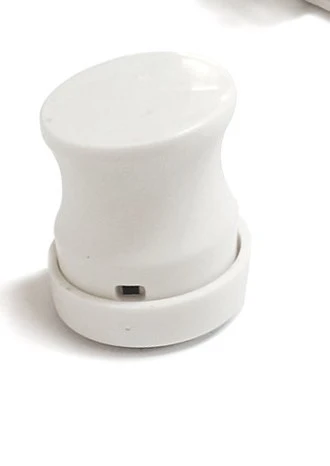
Spare Magnetic Key
An extra magnetic key for our Safety Magnetic Locks, so a lost key never locks you out.
Shop NowWhen to Upgrade From a Magnetic Lock
As your needs change, you may want something more secure or more convenient than a magnetic safety lock. Here are common upgrade paths:
Keyed mechanical locks
Traditional mechanical cabinet and drawer locks, including camlocks and drawer locks, need a cut key to open. They are inexpensive, need no batteries and are a solid step up for desks, filing drawers and lockers.
Combination locks
With cabinet combination locks, there is no key to lose or hide. Family members share a code, and you can change it whenever you like. Some models spin the dials back to zero when opened, so the code is not left showing.
Hidden RFID locks
Hidden RFID cabinet locks work much like magnetic locks from the outside: nothing is visible, and you open them by holding a card or fob against the door. The difference is that they use electronics and programmed cards instead of a magnet, which makes them much harder to defeat. They are a popular choice for medicine cabinets, gun cabinets, liquor cabinets and home offices. Learn more about the benefits of RFID locks, or read our guide to choosing a hidden RFID cabinet lock for help comparing models.

Hidden RFID Cabinet Lock with Key Fob
Step up from magnetic: an invisible lock for 16-30mm wood panels that opens with cards or a remote fob.
Shop NowBluetooth and fingerprint locks
For the most convenience, Bluetooth cabinet locks open from your phone and fingerprint locks open with a touch. Both are hidden or low-profile and remove the need to carry a key or card.
Magnets That Hold, Not Lock
You may also come across strong magnets sold for mounting items, such as gun magnets that hold a handgun under a desk or inside a cabinet. These are holders, not locks. They keep an item in place and within reach, but they do not stop anyone from taking it. If you use one, mount it inside a locked space. Our article on how gun magnets fit into a home security plan explains how to use them responsibly.
Frequently Asked Questions
How do magnetic cabinet locks work?
A spring-loaded latch inside the cabinet catches a strike plate when the door closes. Holding the magnetic key against the outside of the door over the lock pulls the latch free so the door can open.
Do magnetic locks need batteries or power?
Magnetic cabinet locks do not; they are purely mechanical and work with a magnet. Electromagnetic door locks (maglocks) need constant power and usually release when power is cut.
Are magnetic cabinet locks safe for childproofing?
Yes. They are designed for babyproofing and keep the mechanism hidden inside the cabinet. Keep the key stored high and out of sight, since a child with the key can open the lock.
Can I install magnetic locks without drilling?
Yes. Our safety magnetic locks attach with 3M adhesive tape, and screws are included if you prefer a permanent installation.
What if I lose the magnetic key?
Order a spare magnetic key and keep it in a separate, secure spot. Having two keys also helps when more than one adult needs regular access.
Are magnetic locks secure enough for valuables or firearms?
No. Magnetic cabinet locks are safety locks. For valuables, firearms or medication that must be controlled, choose a hidden RFID, combination or keyed lock.
Choose the Right Magnetic Lock for Your Home
Magnetic cabinet locks are a quick, affordable and invisible way to keep children and pets out of cabinets and drawers, with no drilling and no batteries. Understanding how they work, where they fit best, and where their limits are helps you use them well, and know when to upgrade to a combination or hidden RFID lock. Explore our safety magnetic locks, spare magnetic keys and electronic cabinet locks, and contact us if you would like help choosing the right lock for your project.