
Key Highlights
-
A tubular cam lock uses a round key and compact cam lock design for practical security.
-
Its lock cylinder fits tight spaces where a low-profile lock is preferred.
-
Common uses include lockers, cabinets, display cases, and equipment enclosures.
-
Choosing the right lock means checking size, environment, durability, and keying options.
-
Correct installation improves performance, reduces wear, and supports long-term key control.
-
Better materials, higher pin counts, and planned key systems can improve everyday security.
Introduction
Small locks often handle big jobs. A cam lock may protect cabinets, lockers, vending equipment, or service panels every day, so understanding how it works matters. Tubular cam locks stand out because they support practical access control in a compact form. They also raise important questions about key control, sizing, installation, and maintenance. If you want a clear overview before buying or replacing one, this guide walks you through the essential facts in simple terms.
What Are Tubular Cam Locks?
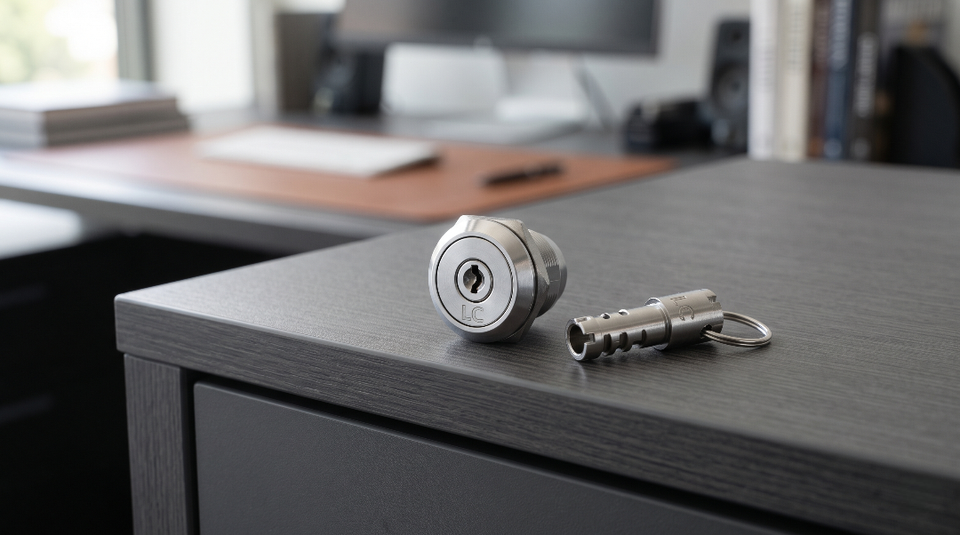
A tubular cam lock is a type of cam lock built around a round lock cylinder instead of a flatter, more traditional face. It uses a cylindrical key, often called a distinctive round key, to operate the locking mechanism.
You will often see this lock on cabinets, lockers, vending machines, and small equipment doors. Its compact shape makes it useful where space is limited, while the tubular format gives it a different look and function than many standard cam locks. To see why that matters, it helps to look inside the mechanism.
Key Components and Mechanism Explained
At the front of the lock, you have a cylindrical body and a circular keyway. This layout is what gives tubular models their familiar sight and makes them easy to recognize. The lock cylinder connects to a cam at the rear, which turns to secure or release a door, drawer, or panel.
Inside, the internal components are arranged around the plug rather than in a straight line. When the correct key enters the circular keyway, it positions those parts so they align at the shear line. That alignment lets the plug rotate smoothly within the cylinder.
Like other mechanical locks, the basic idea is simple: the key lines up the working parts, and the cam turns the attached hardware. From there, the lock can engage the intended mechanical interface and control access in a compact, dependable way.
How They Differ from Standard Cam Locks
A standard cam lock and a tubular cam lock both use a rotating cam to lock or unlock something. The main difference is the lock design at the front. Tubular models use a round face and round key, while standard versions often use a flatter keyway and body style.
That change in format affects more than appearance. A tubular cam lock offers a compact profile, which works well in crowded panels, enclosures, and furniture. Manufacturers may also vary pin counts, key profiles, and materials to match different needs and service conditions.
In practice, you should not think of one type as universal for every job. Standard cam lock options can suit basic setups, while tubular versions are often chosen where space, appearance, or specific keying requirements matter more. The best fit depends on the application, not just the lock category.
Typical Applications for Tubular Cam Locks
You will find a tubular cam lock in many places because it offers dependable performance in a small package. It is a popular choice for settings that need controlled access without a bulky lock body.
Common examples include cabinets, lockers, display cases, kiosks, coin boxes, and service panels. These locks also appear in furniture and equipment housings where users want a neat look and reliable daily operation. The next sections break down both everyday and specialty uses so you can compare where they fit best.
Use in Cabinets, Lockers, and Furniture
In day-to-day settings, tubular cam locks are often chosen for compact security. Their small size and clean face help them blend into furniture and storage units without taking up much room. That makes them useful for everyday security where frequent access is expected.
You will often see them in:
-
indoor office furniture such as drawers and storage cabinets
-
lockers in shared spaces that need simple key control
-
display cases where a low-profile lock looks cleaner
-
equipment enclosures that protect supplies or service areas
These applications all benefit from a lock that is easy to use and sized for tight spaces. While they are not meant for every risk level, a well-matched tubular cam lock can provide practical protection for cabinets, lockers, and furniture that need regular but controlled access.
Specialty Uses: Outdoor and Commercial Settings
Not every lock lives indoors. Tubular cam locks are also used in commercial equipment, kiosks, meter enclosures, and vending applications where conditions are tougher. In these settings, dependable performance depends on choosing the right materials and features for the environment.
For more demanding use, buyers often look for:
-
outdoor rated models for damp installations or weather exposure
-
corrosion-resistant materials for harsh environments
-
stronger components that stand up to heavy use
The key is matching the lock to the setting. Outdoor or commercial applications can place more stress on the cylinder, cam, and mounting hardware than indoor furniture does. If moisture, repeated cycling, or exposure is part of the job, durable solutions with proper sealing and fit gaskets will usually provide better long-term results.
Choosing the Right Tubular Cam Lock for Your Needs
Picking the right lock starts with the basics. You need the correct size, the right cam orientation, and a model that fits the environment. For many buyers and facility managers, that also means thinking about service life and future maintenance.
Keying options matter just as much as fit. Some applications need simple keyed access, while others need planned key systems or tighter control over duplication. A good sizing guide helps you avoid installation problems, and a careful look at security needs helps you choose a lock that works well over time.
Sizing and Fitment Guide
Start by checking the mounting hole and the rear hardware the lock must operate. Even if many tubular locks fit common openings, you still need the exact size and tolerance listed for the product. Small measurement errors can affect fit, rotation, and overall reliability.
You should also confirm that the cam location matches the intended mechanical interface. That includes the panel thickness, the cam reach, and the way the rear arm engages the latch or receiver. This is especially important on equipment housings and service panels.
|
What to Check |
Why It Matters |
|---|---|
|
Mounting hole diameter |
Ensures the lock body fits cleanly without looseness or strain |
|
Panel thickness |
Confirms the cylinder length is correct for the application |
|
Cam orientation |
Helps the lock engage the latch in the right direction |
|
Rear clearance |
Prevents binding with surrounding hardware |
|
Environment |
Guides material and sealing choices for indoor or damp use |
Assessing Security Levels and Keying Options
Not all tubular locks offer the same protection. Security levels vary based on materials, tolerances, and overall construction. In general, higher pin counts, stronger metals, and tighter manufacturing can improve resistance to wear and unauthorized access, especially compared with older or economic models.
Key management is just as important as the hardware. A lock is only part of the picture if too many people can copy keys or share access. Good key control helps reduce that risk and supports better physical security policy in commercial settings.
When comparing options, consider:
-
whether the lock supports planned key systems or keyed-alike groups
-
how key codes are managed for ordering and replacement
-
whether restricted key profiles help limit key duplication
-
whether serviceability and ease of rekeying matter for long-term use
Step-by-Step Guide to Installing a Tubular Cam Lock
Installation is usually straightforward, but accuracy matters. A tubular cam lock works best when the mounting hole is clean, the cylinder sits correctly, and the cam aligns with the hardware behind the panel. For everyday users, that means checking measurements before tightening anything.
You should also test the lock with the correct key after assembly. Smooth key action and full cam movement help confirm the fit is right. While ease of rekeying may matter later, the first goal during installation is simple: secure mounting and reliable operation without binding.
Tools Required and Preparation Tips
Before you begin, gather the tools listed for the lock and check the product data for the opening size. Preparation matters because poor alignment can cause stiffness, extra wear, or a setup that later feels like the lock fails when the real issue is bad fitment.
Most installations call for basic tools and careful setup, such as:
-
measuring tools to confirm the opening and panel thickness
-
the supplied nut, clip, or retaining ring for securing the cylinder
-
any seals or washers needed to fit gaskets in damp installations
Once the hole is ready, insert the lock so the face sits correctly and the rear cam lines up with the intended mechanical interface. Tighten the hardware to keep the body from rotating, then attach the cam and test the action. If the lock is damaged or worn, cylinder replacement may be a better option than forcing an old unit to fit.
Replacement Considerations and Common Mistakes
Replacing an older cam lock with a tubular cam lock is possible, but you need to confirm the mounting dimensions, panel thickness, and cam function first. A new lock may look similar while still requiring a different hole size, cylinder length, or rear cam orientation.
Problems often appear when buyers focus only on price or appearance. Economic models may not hold up well under frequent use or harsh conditions, and rushed swaps can create loose fitment or weak operation. That can lead to inconvenient failures later.
Watch out for these common mistakes:
-
ignoring the exact size and tolerance of the existing opening
-
choosing a cam that does not match the latch movement
-
skipping gaskets or seals where moisture is present
-
relying on insecure fixes instead of proper replacement hardware
Conclusion
In conclusion, understanding tubular cam locks is essential for making informed decisions about securing your belongings. With their unique components and mechanisms, these locks offer enhanced security for a variety of applications—from cabinets to outdoor settings. Choosing the right lock involves considering sizing, fitment, and security levels to ensure optimal protection. Installation can be straightforward with the right tools and preparation, but it's important to avoid common mistakes. For a reliable source of quality tubular cam locks, feel free to explore our products at Lock Connection. By selecting the appropriate lock, you're taking a significant step towards safeguarding your items effectively.
Frequently Asked Questions
Are tubular cam locks more secure than other types of cam locks?
They can offer higher security, but it depends on the model. Better materials, tighter tolerances, and stronger keying options improve resistance to unauthorized access. A circular keyway alone does not guarantee more protection. You should also review key codes, pin design, and overall build quality.
How do I maintain or lubricate a tubular cam lock?
For longer life of a lock, keep the exterior and keyway clean and use a dry spray made for locks if the key action becomes stiff. Good key care helps too. In outdoor settings, check seals and exposed hardware, and use corrosion inhibitors. If the lock fails, seek professional help.
Where can I buy quality tubular cam locks online? (Lock Connection Product Link)
You can buy quality tubular cam locks online from Lock Connection. That page is a useful starting point if you want dependable performance, product details, and options that suit facility managers, service teams, and buyers comparing fit, durability, and keying needs.