
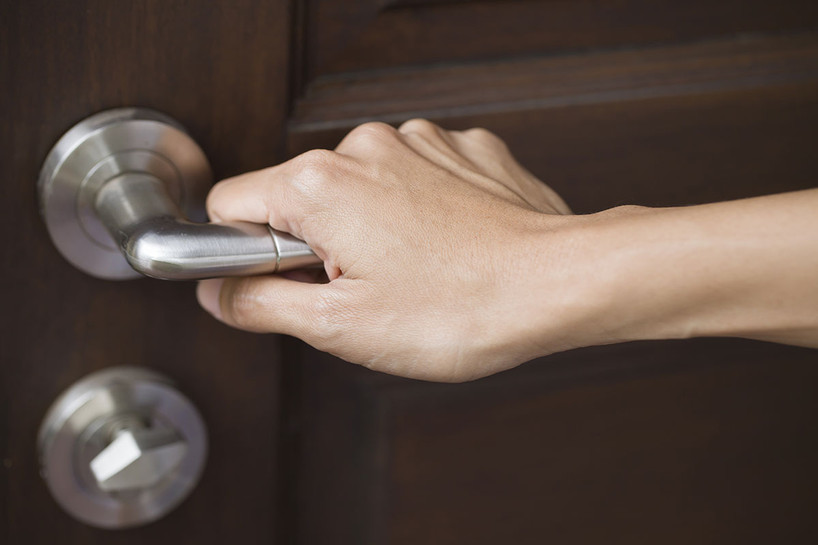
Traditional locks and keys remain familiar hardware for doors, cabinets, drawers, display cases, and other storage applications. They are simple to recognize, easy to explain to a new user, and available in many physical formats. Still, a key-and-lock arrangement is not the only way to control access. Today, homeowners, property managers, builders, cabinetmakers, retailers, and DIY users can consider electronic and keyless options that fit the way a particular door, drawer, cabinet, or showcase is used.
Upgrading traditional locks does not have to mean replacing every lock with the same technology. The most useful approach is to look at each opening individually. A front door has different needs than a private cabinet. A drawer in a shared office has different needs than a glass display case. Once you identify who needs access, how often the opening is used, what material it is made from, and whether a visible or hidden lock is preferred, it becomes easier to compare the available choices.
Lock Connection offers categories for residential electronic door locks, Bluetooth locks, fingerprint and biometric locks, RFID locks for wood and glass, combination locks, digital cabinet locks, camlocks, and other hardware. That variety makes it possible to focus on the access method and installation style that are most appropriate for the project instead of trying to force one lock type into every application.
Why Consider an Upgrade From a Traditional Key Lock?
The main reason to think about an upgrade is not that every keyed lock needs to disappear. It is that different access methods can solve different everyday problems. A physical key must be carried, located, inserted, and turned. That may be perfectly appropriate for many installations. In other places, a code, fingerprint, RFID card, fob, or phone-based control option may better match the user experience you want.
For example, a household may want a residential deadbolt that can be operated with a keypad while retaining a key-based backup method. A cabinet project may call for a lock hidden inside the cabinet rather than a visible key cylinder on the exterior. A display case or locker may need a compact combination lock that does not require distributing keys. The right upgrade depends on the opening and the people who will use it.
Before choosing any lock, define the objective in plain language. You may be trying to reduce the number of keys in daily use, provide more than one way to operate a lock, avoid placing a visible lock face on furniture, simplify access for approved users, or select a lock style that works with a specific cabinet material. A clear objective helps narrow the choices quickly.
Start With the Opening You Want to Secure
The word “lock” covers a wide range of products. A residential exterior door, interior door, cabinet door, drawer, wood showcase, glass case, locker, and sliding display door do not all use the same mounting method or locking action. Begin the planning process by identifying exactly what you are securing.
- Residential entry doors: These may use electronic deadbolt-style locks, digital panels, push-button keypads, RFID access, Bluetooth features, or a combination of digital and key operation.
- Cabinet doors and drawers: These can use hidden RFID locks, fingerprint locks, Bluetooth-enabled cabinet locks, digital password locks, compact camlocks, or combination locks.
- Wood furniture and storage: Consider the available mounting area, door or drawer movement, panel thickness, and whether the exterior should remain visually minimal.
- Glass cabinets and showcases: Choose products specifically listed for glass applications, and confirm whether the product supports the type of glass door involved.
- Retail display cases: A visible mechanical or combination solution may be appropriate in some cases, while an RFID or other electronic configuration may be better suited to a project that calls for a concealed lock body.
Installation details matter as much as the access method. Product listings may specify mounting style, cable options, striker styles, handedness, panel compatibility, or power arrangements. Read the current product listing carefully before ordering, especially when replacing existing hardware. A lock that is excellent for one door style may not fit another without changes to the project.
Keyless Lock Options to Compare
Modern lock technology includes several ways to operate a lock without relying only on a traditional key. Each category has its own use cases, appearance, and operating method. Comparing the categories side by side helps you avoid selecting a product simply because it sounds advanced rather than because it suits the opening.
Keypad and Digital Password Locks
Keypad and digital password locks use code entry rather than requiring the user to insert a key for every opening. In Lock Connection’s residential electronic lock category, there are digital-panel and push-button residential deadbolt options. Some listed models can be operated by entering a code, while some also include supplied keys or a key-based operating method. The ability to change a password is listed for certain models, so always review the specific product page to understand the available operation methods.
A keypad-style solution can make sense when a door will be used by people who should be able to enter a code rather than carry a dedicated physical key. The important planning question is not simply whether a keypad is convenient; it is whether the lock’s format, installation requirements, and supported access options match the door and the people using it.
For projects focused on household entry points, browse the residential electronic door lock selection and compare the available digital-panel, push-button, Bluetooth, RFID, and key-operated options.
Fingerprint and Biometric Locks
Fingerprint locks use a fingerprint sensor as an access method. Lock Connection’s fingerprint and biometric category includes flush-mount and surface-mount products, as well as cabinet and drawer lock styles. Some current listings are fingerprint-only, while others combine fingerprint operation with Bluetooth. This means a buyer should verify the exact access methods on the product page instead of assuming every fingerprint lock has the same capabilities.
Mounting style is a major factor in this category. A flush-mounted fingerprint lock and a surface-mounted fingerprint lock create different finished appearances and may require different preparation. Some product listings also reference cable-length selections or striker selections. Those details should be treated as part of the fitment decision, not as an afterthought.
Fingerprint access can be a useful consideration for furniture, cabinets, drawers, closets, and other applications where the project calls for a sensor-based operating method. See the current fingerprint and biometric lock options to compare product styles and listed configurations.
RFID Locks for Concealed Cabinet Access
RFID locks use cards, fobs, or other RFID credentials depending on the particular product. Lock Connection’s RFID locks for wood and glass category includes hidden cabinet and drawer locks, glass cabinet RFID locks, external-sensor options, multiple-lock systems, and products with different card or fob arrangements. Several listed products are designed for cabinets, drawers, stands, safes, shelves, and glass-door applications, but the product listing should always be checked for the intended use and installation details.
A hidden RFID lock can be especially relevant when the project calls for a lock body that is not prominently displayed on the outside of a cabinet or drawer. For example, the category includes hidden or invisible cabinet lock options as well as RFID products made for glass cabinets. Certain listed glass cabinet RFID locks are described for single and double glass doors and state that no glass drilling is required. That is a product-specific feature, so it should not be applied to every glass lock in the category.
Some RFID listings include management cards and user cards; some are described as preprogrammed; and some have external sensors or power-jack options. There are also products that link multiple locks together. These differences show why access credentials, programming, lock quantity, and wiring or power needs should be reviewed before purchasing.
Explore the current RFID lock options for wood and glass when a concealed or card-based access method is a better fit than a visible key cylinder.
Bluetooth-Enabled Locks
Bluetooth locks add phone-based operation to certain lock types. Lock Connection’s Bluetooth lock category includes cabinet and drawer locks, fingerprint and Bluetooth combinations, RFID and Bluetooth combinations, and Bluetooth residential deadbolt options. The category states that its products can be linked to a phone for operation, but individual compatibility and features vary by model.
Compatibility is particularly important with Bluetooth products. Some live product listings state that Bluetooth works only with iOS systems and does not support Android systems. Other listings describe apps available for Android and iOS. The lesson is straightforward: never choose a Bluetooth lock based only on the category name. Confirm the exact product’s supported devices, app requirements, access methods, and current listing notes before building it into a project.
Some Bluetooth residential deadbolt listings also describe app-based sharing features such as single-use sharing or sharing by date and time. These are specific product features rather than universal Bluetooth lock features. If sharing access is a deciding factor, review the full live listing and confirm that the selected model offers the function you need.
For cabinet, drawer, and residential options that include phone-based operation, visit the Bluetooth lock category.
Combination Locks
Combination locks offer another path away from a standard key-only arrangement. The Lock Connection combination lock category includes 3-digit and 4-digit cam locks, dial locks, return-to-zero options, and models with key override capability. The category also identifies options for cabinets, showcases, drawers, sliding display doors, wood installations, metal installations, and glass installations.
A combination lock may be a practical option when the project calls for keyless access without relying on a phone, fingerprint sensor, or RFID credential. As with all lock types, the selection process should start with the opening. Verify the lock body, mounting style, required panel thickness, cylinder dimensions where applicable, and any required operating features.
For example, one currently listed combination lock includes a return-to-zero function that returns the dials to zero after the lock is opened. Another current listing is described as a 4-digit combination cam lock for wood and metal cabinets with key override. Those are useful examples of why users should compare the exact model rather than making a broad assumption about all combination locks.
Review the current combination locks for cabinets and showcases to compare 3-digit, 4-digit, dial, cam-lock, and key-override styles.
When a Traditional Camlock Still Makes Sense
An upgrade does not always require removing a mechanical lock. Camlocks remain relevant for many cabinet, drawer, furniture, showcase, and specialized hardware applications. Lock Connection’s camlock category includes nickel-plated camlock kits, tubular micro camlocks, combination camlocks, thumb-turn camlocks, and glass-door pivoting camlocks, among other styles.
A mechanical camlock may be the better choice when the opening already uses a compatible camlock format, when a familiar key-operated approach is preferred, or when the project needs a particular barrel length, cam arrangement, or keying arrangement. Some listed camlocks are described as keyed alike, while others have different cylinder and operating details. As with electronic products, exact measurements and product information should guide the decision.
If you are replacing a cabinet or showcase lock, inspect the existing hole size, panel thickness, cam shape, rotation, key-removal position, and clearance inside the cabinet before choosing a replacement. A new lock should fit the application mechanically, not merely look similar from the exterior.
See the available camlocks for cabinets, showcases, and other installations when a traditional mechanical solution remains the best fit.
A Practical Planning Checklist Before You Upgrade
A well-planned lock upgrade starts with a few measurements and operating questions. Taking time to answer them can prevent selecting a lock that offers the right access method but the wrong installation format.
- Identify the application. Is this an exterior residential door, an interior door, a cabinet, a drawer, a locker, a wood display case, or a glass display case?
- Choose the preferred access method. Decide whether a key, code, fingerprint, RFID card or fob, Bluetooth phone operation, or a combination of methods makes the most sense.
- Determine who needs access. Think about daily users, occasional users, household members, employees, guests, or anyone who may need authorized access.
- Check the installation surface. Note whether the opening is wood, metal, glass, or another material, and inspect the available mounting space.
- Measure carefully. Record panel thickness, existing hole size, back clearance, door or drawer movement, and the location of any strike or latch hardware.
- Confirm the operating environment. For electronic locks, review the model’s stated power requirements, operating methods, and product-specific conditions.
- Review device compatibility. If Bluetooth or an app is part of the plan, verify supported operating systems on the exact live product listing.
- Read included-item details. Check whether cards, fobs, keys, instructions, strikes, cables, or other accessories are included with the selected product.
- Confirm current availability before ordering. Product availability and selectable options can change, so use the live listing as the final source for the item you intend to purchase.
Do Not Treat Every Electronic Lock as the Same
“Electronic lock” is a broad label. A residential deadbolt with a digital panel is different from a hidden RFID drawer lock. A fingerprint cabinet lock is different from a Bluetooth lock with phone access. A combination camlock differs from a traditional keyed camlock. Each product has its own installation method, access credentials, power arrangement, and supported features.
That distinction is important when replacing traditional locks. A keyless upgrade should improve the fit between the lock and the application. It should not create confusion about who can operate the lock, which credentials are needed, how the lock mounts, or what device is required for a Bluetooth feature. Choosing the right category is a useful first step, but reading the current product page is what confirms the exact configuration.
It is also sensible to think about backup access during the planning stage. Some residential electronic lock listings offer hybrid key and digital or keypad operation, and the residential electronic lock category notes that many models support key override for backup access. Other lock types use cards, fobs, fingerprints, codes, or model-specific methods. Select the product based on the access options that are explicitly stated for that item.
Upgrade One Opening at a Time
You do not need to redesign an entire property to benefit from modern lock options. Start with the opening that creates the most day-to-day friction or has the clearest project requirement. It may be a cabinet that would benefit from a concealed RFID lock, a drawer that calls for a fingerprint sensor, a residential door where a keypad or Bluetooth-enabled deadbolt is being considered, or a showcase that needs a compact combination or cam lock.
Approaching upgrades one opening at a time gives you the opportunity to compare mounting styles, test how users interact with the chosen access method, and keep the project focused. It also makes it easier to select the lock category that genuinely suits the job rather than choosing a general-purpose solution for a specialized application.
Find the Right Modern Lock for Your Project
Traditional keys continue to have a place, but modern access options give property owners and builders more ways to match a lock to an application. Digital panels, push-button keypads, fingerprints, RFID cards and fobs, Bluetooth operation, combination dials, and mechanical camlocks all serve different purposes. The best choice begins with the opening, the material, the desired access method, and the product-specific installation information.
Whether you are updating a residential door, improving access to a cabinet or drawer, planning a concealed furniture project, or selecting hardware for a display case, review the live Lock Connection category and product pages before making a final decision. Verify the exact model, supported access method, mounting details, included items, and current availability so the upgrade works as intended.