

Every gun owner eventually faces the same question: where should the firearm live when it is not in your hand? The answer is rarely a single product. A rifle that comes out twice a year for hunting season, a handgun kept for home defense, and a pistol that rides with you on a long drive all have different needs. The best gun storage options balance three things: keeping the gun away from people who should not touch it, protecting it from damage, and still letting you reach it quickly when you truly need it.
This guide walks through the main gun storage options for your home and your vehicle, explains what each one does well and where it falls short, and shows how to combine them into a setup that fits the way you actually live. If your main concern is a single handgun at home, our article on keeping a handgun safe and accessible at home goes deeper on that one scenario. Here, we look at the bigger picture.
What Good Gun Storage Needs to Do
Before comparing products, it helps to be clear about the jobs storage is supposed to do. Almost every gun storage option is built around some mix of these four goals:
- Prevent unauthorized use. Children, visitors, roommates and anyone who is not trained or not allowed to handle the firearm should not be able to get to it.
- Deter theft. A gun that is easy to grab and carry away is a gun that can end up in the wrong hands.
- Protect the firearm. Dust, moisture, scratches and bumps all take a toll over time, especially in vehicles and garages.
- Allow appropriate access. A firearm kept for self-defense is only useful if the authorized owner can reach it quickly and reliably.
No single product scores perfectly on all four. A heavy safe is excellent for theft protection but slow to open. A magnet mount is fast but does nothing to stop someone else from grabbing the gun. Choosing the right gun storage option is really about deciding which goals matter most in each situation, then filling the gaps with a second layer.
Start With Your Household
Your living situation shapes your storage more than anything else. Ask yourself a few honest questions. Are there children in the home, even occasionally as visitors? Do you share the space with roommates or extended family? Do service workers, cleaners or guests come through regularly? Is the gun for defense, sport, collecting or a mix? The more people who pass through your space, the more important locked storage becomes, and the less acceptable it is to leave any firearm in an open, unlocked spot.
Gun Storage Options for the Home
At home, you have the most flexibility. You can use larger, heavier storage, mount things permanently and combine several methods in different rooms.
Gun Safes
A full-size gun safe is the most secure option for most households, especially if you own several long guns. Safes are heavy, can be bolted to the floor, and many models also offer some level of fire protection. Their main drawbacks are cost, weight, floor space and access speed. Spinning a dial or entering a code under stress takes time, which is why many owners keep long guns and valuables in a safe but use a smaller, faster option for a defensive handgun.
Gun Cabinets
Gun cabinets look more like furniture than a vault. They are typically lighter and less expensive than safes and are good at keeping firearms organized and out of casual reach. Many cabinets are made of wood or wood with glass, so they rely heavily on the quality of their lock. A cabinet with a flimsy key lock is a display piece, not secure storage. Upgrading the lock is one of the simplest ways to make an existing cabinet far more effective.
Lock Boxes and Quick-Access Handgun Boxes
A small lock box holds one or two handguns and fits in a nightstand drawer, closet shelf or under a bed. Quick-access models open with a keypad, fingerprint or RFID card, which makes them popular for bedside storage. Look for a box that can be secured to furniture or the floor, since an unsecured box can simply be carried away.
Hidden and Concealment Storage
Concealment storage hides a firearm inside furniture or fixtures that do not look like gun storage at all: a shelf with a drop-down compartment, a wall mirror that swings open, a headboard with a hidden tray or a drawer with a false bottom. The security comes from two layers working together. First, a would-be thief or curious child does not know the compartment is there. Second, a hidden electronic lock keeps it shut even if someone does find it.
This is where cabinet locks really matter. Hidden RFID locks mount inside the furniture with no keyhole on the outside, and they open when you hold a programmed card or fob against the right spot. Fingerprint locks offer a similar keyless experience with a small sensor on the outside. For example, our fingerprint gun cabinet lock with a 24mm sensor stores up to 20 fingerprints, runs on 4 AAA batteries or an optional 6V DC adapter, and sounds a low-voltage alarm on every opening when the batteries need changing.

RFID Gun Cabinet Lock with A/C Power Option
Hidden 13.56 MHz lock that runs on 4 AAA batteries or the included A/C adapter, with cards that read through up to 1.5 inches of hardwood.
Shop NowA Note on Electronic Locks and Power
Many electronic cabinet locks, including several of the gun cabinet models we carry, are designed so that a completely drained battery leaves the lock unable to lock. That protects you from being locked out of your own compartment, but it also means a dead battery is a security gap. If you use an electronic lock on firearm storage, treat the low-battery alarm seriously, change batteries on a schedule, and consider a model with an A/C power option so the lock stays powered from an outlet.
Trigger Locks and Cable Locks
Trigger locks and cable locks are inexpensive devices that block a firearm from being fired or loaded. Many new firearms come with one. They are a useful extra layer, especially for guns stored in a closet or case, but on their own they do not stop someone from carrying the gun away. Think of them as a supplement to locked storage rather than a replacement for it.
Wall and Under-Desk Magnet Mounts
Gun magnets hold a handgun against a flat surface, such as the underside of a desk or the side of a nightstand, so you can grab it in a second. They are popular because they are fast, inexpensive and save space. The important limitation is that a magnet does not lock. In a home with children or frequent visitors, a magnet mount belongs inside a locked space, such as a locked closet, a concealment compartment or the inside wall of a safe, not out in the open. Our article on how gun magnets fit into a home security strategy covers more ways to use them well.
Gun Storage Options for Your Vehicle
Vehicles are one of the hardest places to store a firearm well. Cars get broken into, left in parking lots and borrowed by family members. They also heat up and cool down quickly, which is hard on finishes and ammunition. At the same time, a gun that travels with you needs to be secure while you drive and reachable when it is appropriate to reach it.
Locking Vehicle Gun Safes and Console Vaults
A small locking vault that bolts or cables to the vehicle frame, or a console insert that turns the center console into a locked box, is generally the best choice for a handgun that stays in the vehicle. The steel and the anchor point are what matter most. A lock box that simply sits loose on the floor can be lifted out in seconds during a break-in.
Hard and Soft Gun Cases
Cases protect firearms from bumps, scratches and moisture during transport, and a lockable hard case adds a basic layer of control. Cases are ideal for taking rifles and shotguns to the range or a hunting area. On their own, though, they offer little theft protection because the whole case can be carried away. Many jurisdictions also have specific rules about how a firearm must be cased, unloaded or stored during transport, so check the laws where you live and anywhere you plan to travel.
Vehicle Gun Magnets
A magnet mount in a vehicle, typically placed within reach of the driver, holds a handgun securely while you are driving so it does not slide around or end up under a seat. Our gun magnets for car and under-desk mounting include a rectangular 25 lb rated holder and a 2-inch round set of two, both designed so they will not scratch the firearm. Because a magnet holds the gun but does not lock it, the safest habit is simple: when you leave the vehicle, the gun either goes with you or goes into locked storage. Never leave a firearm sitting on a magnet in an unattended car.
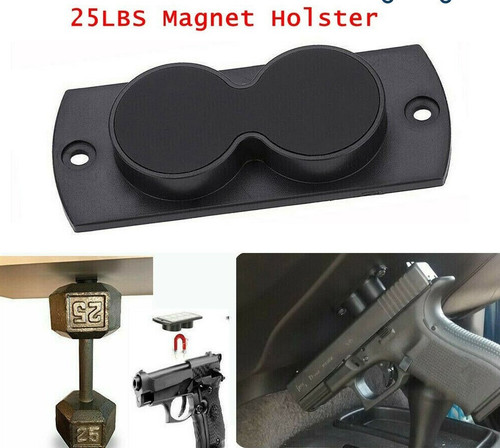
Gun Magnet, 25 lb Rated
Anti-scratch holder with 3M VHB tape plus screws and anchors for mounting in a car, under a desk or beside the bed.
Shop NowTips for Mounting a Magnet in a Vehicle
- Choose a spot where the gun sits securely and does not interfere with pedals, airbags, the steering wheel or your seat belt.
- Use the included screws and anchors when you can. If you rely on the adhesive tape only, the mounting surface must be completely clean, smooth and flat.
- Press the magnet firmly in place for at least 45 seconds, then let the adhesive cure for at least two days before mounting a firearm on it.
- Test the draw a few times with an unloaded firearm so the motion is natural and the gun releases cleanly.
- Check local laws on carrying a firearm in a vehicle, especially if you cross state lines.
How to Choose the Right Gun Storage Option
Once you know the options, choosing comes down to matching each firearm to its purpose. A simple way to think about it:
- Long guns and firearms you rarely use: a gun safe or a well-locked gun cabinet, with trigger or cable locks as an extra layer.
- A home-defense handgun: a quick-access lock box or a concealment compartment with a fingerprint or RFID lock, placed where you can reach it quickly.
- Collections and display pieces: a cabinet with an upgraded lock, or a safe if theft risk is high.
- A handgun that travels with you: a vehicle magnet or holster while you drive, plus a locking vault anchored to the vehicle for any time you step away.
- Range and hunting trips: lockable hard cases for transport, with the firearms returned to home storage afterward.
Questions to Ask Before You Buy
- Who else could realistically get access to this space?
- How fast do I really need to reach this firearm?
- Can the storage be bolted, cabled or built into something so it cannot be carried away?
- If the storage uses an electronic lock, how is it powered, and what happens when the battery runs low?
- Will this setup still work if my household changes, for example if children start visiting more often?
Organizing Firearms Inside Your Storage
Good organization makes storage safer and easier to use. When every firearm, magazine and accessory has a defined spot, you can see at a glance if something is missing, and you are less likely to fumble when you need something quickly. Custom-cut foam is one of the easiest ways to get there. Kaizen foam sheets are made of thin 1/8-inch layers bonded together, so you can trace a firearm or accessory, cut around the outline to the depth you want, and peel out the layers to create a snug pocket. It works well in drawers, cases, cabinets and hidden compartments.
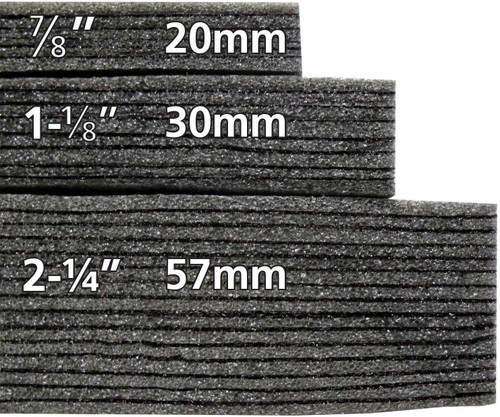
Dense Foam 2' x 4'
Layered dense foam you can trace, cut and peel to make snug pockets for firearms and accessories.
Shop NowA few other organizing habits help too. Store ammunition separately from firearms when you can, especially in homes with children. Keep a small moisture absorber in safes and cabinets to protect finishes. Add a battery-powered motion sensor light inside a dark cabinet or compartment so you can see what you are reaching for. And keep a simple list of what is stored where, including serial numbers, somewhere separate and secure.
Common Gun Storage Mistakes to Avoid
- Relying on hiding alone. Children and burglars are both good at finding things. Concealment works best when paired with a lock.
- Leaving guns in vehicles overnight. Vehicles are frequent targets for theft. Bring the firearm inside or use an anchored vault.
- Ignoring low-battery alerts. An electronic lock that cannot lock is not doing its job.
- Using a loose lock box. If it is not anchored, it can be carried off with the firearm inside.
- Sharing codes and cards too freely. Limit who has a combination, fingerprint enrollment or RFID card, and remove access for anyone who no longer needs it.
- Forgetting about local law. Storage and transport requirements vary by state and city, and some places have specific rules for homes with minors.
Frequently Asked Questions
What is the safest way to store a gun at home?
For most households, the safest approach is locked storage that cannot be easily carried away, such as an anchored safe, a well-locked cabinet or a concealment compartment with an electronic lock, combined with trigger or cable locks for firearms that are not kept for defense. The right choice depends on who lives in or visits your home.
Are gun magnets safe to use?
Gun magnets are safe when used in the right place. They hold a firearm securely and allow a fast draw, but they do not lock. Use them inside a locked space at home, or in a vehicle only while you are present, and move the firearm to locked storage when you leave.
Can I use an RFID or fingerprint lock on a gun cabinet?
Yes. Hidden RFID and fingerprint cabinet locks are commonly used on gun cabinets, concealment furniture and drop-down shelf compartments. Check the panel thickness the lock supports, keep the batteries fresh or use a model with an A/C power option, and keep a backup credential in a secure place.
How should I store a gun in my car?
Use a locking vault or console safe that is anchored to the vehicle for any time the firearm stays in the car. A magnet mount can hold the gun while you drive, but the firearm should go with you or into locked storage whenever you leave the vehicle. Always follow the transport laws where you are driving.
Should ammunition be stored separately from firearms?
Storing ammunition separately adds another layer of safety, especially in homes with children. A defensive firearm kept ready for use is an exception many owners make, which is exactly why that firearm should be in quick-access locked storage.
Building a Gun Storage Setup That Works for You
The best gun storage options are the ones that match how you live, who shares your space and how each firearm is used. For most owners, that means a combination: a safe or locked cabinet for long guns, a quick-access locked option for a defensive handgun, and a secure plan for any firearm that rides in the vehicle. Layering methods, such as concealment plus a lock or a magnet inside a locked compartment, covers the weak spots of any single product.
If you are building or upgrading a cabinet, concealment shelf or hidden compartment, Lock Connection carries the hardware to make it secure and easy to use. Browse our hidden RFID locks for wood and glass to find a keyless lock for your gun cabinet or concealment furniture, and pair it with magnets and foam to keep everything organized and within reach.