
Every lock in your home or business has a job to do. A kitchen drawer, a gym locker, a jewelry display case and a hidden gun cabinet all need to stay closed, but they do not need the same kind of lock. Understanding the main types of locks and their uses makes it much easier to pick hardware that fits the door, suits the people who use it and gives you the right level of security.
This guide takes a practical approach. Instead of starting with the technology, it starts with the need. For each common situation you will see which lock types work best, what to measure before you buy and which mistakes to avoid. If you want a deeper look at how keypad, biometric, Bluetooth and RFID technology works, our guide to modern lock types that keep your possessions secure covers that side in detail.
Start With Three Simple Questions
Before you compare products, answer these three questions. They narrow the choice faster than any spec sheet.
- What are you protecting, and from whom? Keeping a toddler out of a cleaning cabinet is very different from securing firearms or retail stock.
- Who needs to get in, and how often? One person opening a drawer once a week can manage a key. A busy staff room or a shared locker may be better with a code or card.
- What are you mounting the lock on? Wood, metal and glass need different hardware, and panel or glass thickness decides which models will fit.
Keep your answers in mind as you read through the needs below.
Need 1: Everyday Cabinets and Drawers
For desks, file drawers, tool chests, wardrobes and kitchen or bathroom cabinets, a simple keyed lock is often the best fit. It is affordable, needs no batteries and is easy for anyone to use.
Best lock types
- Camlocks: A cylinder with a rotating cam on the back. Turn the key and the cam swings behind the frame to hold the door or drawer shut. They come in several barrel lengths to suit different panel thicknesses.
- Drawer and cupboard locks: Surface or flange-mounted locks made for wooden drawers, cupboards and lockers.
- Gang locks: One lock that secures two drawers at once, handy for stacked drawers in a desk or cabinet.
- Slam or spring locks: These lock automatically when you push the door or drawer closed, which is useful when people forget to turn the key.
What to check
Match the barrel length to the thickness of your door or drawer front, and check the cam style (straight, offset or hook) against how your cabinet is built. If you want one key to open several locks, choose models that are keyed alike. Many of our keyed locks share common key codes such as 110 or 120. You can browse our full range of wood cabinet and drawer locks to compare sizes and styles.
Childproofing
For childproofing, a hidden magnetic lock is a good option. It sits inside the cabinet, so there is nothing on the outside for small hands to fiddle with, and an adult opens it by holding the magnetic key against the door.

Nickel Plated Camlock, 3/4" Barrel
Keyed camlock with a hook cam for panels up to 14mm thick. The key removes when locked or unlocked.
Shop NowNeed 2: Lockers, Gyms and Shared Storage
When several people share storage, keys quickly become a problem. They get lost, copied or taken home by mistake. Keyless locks solve that.
Best lock types
- Dial combination locks: Each user sets or is given a code. Many have a key override so a manager can open the locker if a code is forgotten. They are popular for gyms, pools, offices, schools and clubs.
- Combination camlocks: A compact option for cabinets and lockers made of wood or metal.
- Digital password locks: Electronic keypad locks for cabinets where you want to change codes easily.
What to check
Look at door thickness and whether the door is inset or overlay. For example, our zinc alloy 4-digit dial combination lock comes in versions for 9mm to 18mm and 18mm to 28mm panels. One model even returns its dials to zero when the lock is opened, so nobody can read your combination from the lock. Explore our combination locks for cabinets and lockers to see the options.

4-Digit Dial Combination Lock
Keyless locker and cabinet lock with a key override. Fits 18mm to 28mm doors.
Shop NowNeed 3: Display Cases and Glass Cabinets
Retail showcases, trophy cabinets and collectible displays need locks made for glass. Standard wood locks will not work, and drilling glass is risky or impossible.
Best lock types
- Sliding glass door push or plunger locks: Used on showcases where two glass panels slide past each other. Push the plunger and the doors are pinned together.
- Ratchet locks: Clamp onto sliding glass and lock against the other panel. Some offer a combination with a key override, which helps stores that struggle with key management.
- Swinging glass door locks: For hinged glass doors, available in single and double-door styles, including no-drill models that clamp onto the glass. Some are designed to fit popular display cabinets such as the IKEA Detolf.
- Glass cabinet RFID locks: Keyless electronic locks for glass doors that open with a card, also available in no-drill styles.
What to check
Measure the glass thickness carefully, often 3/16 inch, 1/4 inch, 5/16 inch or 3/8 inch, and confirm whether your doors slide or swing. Our article on how to choose the right display case locks explains durability, ease of use and compatibility in more depth.
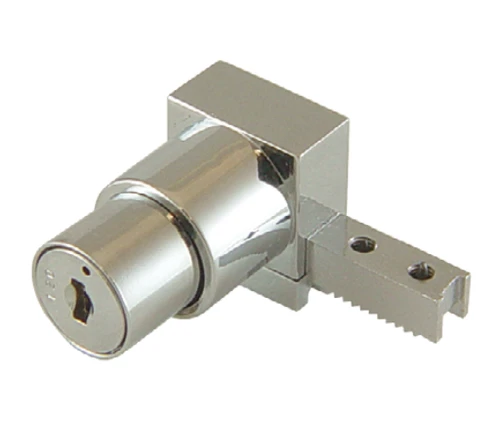
Sliding Showcase Glass Push Lock
Push lock for sliding display case glass from 3/16 to 1/4 inch thick. Comes with 2 keys.
Shop NowNeed 4: Hidden Storage and Concealment Furniture
Sometimes the best security is not letting anyone know there is a lock at all. Concealment furniture, hidden compartments, secret shelves and drop-down panels all depend on a lock that cannot be seen from the outside.
Best lock types
- Hidden RFID cabinet locks: Mounted on the inside of the cabinet. You tap an RFID card or fob against the outside of the wood and the lock opens. There is no keyhole and nothing to see.
- Multiple lock systems: Several hidden locks linked together so that one scan opens them all, which suits long cabinets or drawers in a single piece of furniture.
- Bluetooth and RFID locks: Hidden locks that can also be opened from a phone app.
What to check
Check the panel thickness the lock can read through, and remember that RFID will not read through metal or mirrors. RFID locks and cards also come in two common frequencies, 13.56 MHz and 125 kHz, and they are not cross-compatible, so buy replacement cards that match your lock. Browse our RFID locks for wood and glass, including kits used in popular concealment furniture builds.
Need 5: Medicine, Valuables and Personal Items
For medicine cabinets, jewelry drawers, document storage and personal cabinets, you want quick access for the right people and no access for everyone else. Keys can work, but they are easy to leave in the lock or lose.
Best lock types
- Fingerprint cabinet locks: Only enrolled fingerprints open the lock, so there is no code to share and no key to find. Many models store several users, which suits families or small teams.
- Fingerprint camlocks: A keyless replacement for a standard camlock in drawers, cabinets and wardrobes.
- Digital password cabinet locks: A keypad lock that is easy to share with a small group and easy to recode.
What to check
Check how the lock is powered (most use AAA batteries, and some offer rechargeable or external power options), how many fingerprints it stores, and whether it has a backup way in, such as an emergency key or power port, if the batteries run low.
Need 6: Firearm Storage
Responsible firearm storage is about keeping guns away from children and unauthorized users while still letting the owner reach them quickly. Many gun owners combine a locked, hidden cabinet with sensible placement.
- Hidden RFID or Bluetooth cabinet locks keep a gun cabinet, stand or concealment shelf looking like ordinary furniture.
- Fingerprint locks give fast access to the owner without a key or code to remember.
- Gun magnets hold a firearm in place inside a locked cabinet or safe so it stays put and is easy to grab.
Whatever you choose, check the local laws that apply to firearm storage where you live.
Need 7: Your Front Door
Exterior doors need a residential deadbolt rather than a cabinet lock. If you want to move past traditional keys, electronic deadbolts let you open the door with a code, and Bluetooth models add phone access and timed sharing for guests, cleaners or pet sitters. Our residential door electronic locks include keypad and Bluetooth deadbolts with a key override, so you always have a backup way in.
Quick Guide: Matching Lock Types to Common Needs
- Desk, drawer or wardrobe: keyed camlock, drawer lock or gang lock.
- Childproofing kitchen or bathroom cabinets: hidden magnetic safety lock.
- Gym, school or office lockers: dial combination lock with key override.
- Sliding glass showcase: push, plunger or ratchet lock sized to the glass.
- Swinging glass display cabinet: swinging glass door lock or no-drill glass lock.
- Hidden compartment or concealment furniture: hidden RFID lock or multiple lock system.
- Medicine or valuables cabinet: fingerprint or digital password cabinet lock.
- Gun cabinet: hidden RFID, Bluetooth or fingerprint lock, plus gun magnets.
- Front door: keypad or Bluetooth residential deadbolt.
Measure Before You Buy
Most fitting problems come down to sizing. Before you order, take a few minutes to check:
- Panel or door thickness for cabinet and drawer locks.
- Barrel length and cam style for camlocks.
- Glass thickness and whether the doors slide or swing for glass locks.
- Inset or overlay doors for combination and cabinet locks.
- RFID frequency if you are adding cards or fobs to an existing lock.
- Power for electronic locks, including battery type and any external power option.
- Phone compatibility for Bluetooth locks, since some apps support only iPhone.
If you are unsure, the product description lists the key details, and our team is happy to help you confirm a fit.
Do Not Forget Keys, Cards and Accessories
The lock is only part of the setup. Planning for the extras up front saves time later and keeps everyone able to get in.
- Spare keys: Order extra cut keys or blanks that match your key code, especially for shared cabinets or keyed-alike sets.
- Extra RFID cards and fobs: Add one for each user and keep a spare. Match the frequency of your lock.
- Strike plates: Electronic cabinet locks often offer different strike styles to suit inset doors, overlay doors and drawers.
- Power options: Many electronic locks can use an external power supply or power bank through a power jack, which is handy if the batteries run low.
- Extension cables: Fingerprint and keypad locks with a separate sensor panel may need a longer cable if you mount the panel away from the lock.
Checking these details at the same time as the lock means your project is ready to use the day the parts arrive.
Frequently Asked Questions
What is the most common type of lock for cabinets?
The keyed camlock. It is simple, affordable, needs no power and comes in many sizes for wood and metal cabinets, drawers and lockers.
Which lock is best for a shared locker?
A dial combination lock is usually the easiest choice. Users do not need keys, and models with a key override let a manager open the locker if someone forgets the code.
Can I lock a glass display cabinet without drilling the glass?
Yes. No-drill swinging glass door locks clamp onto the glass, and there are no-drill RFID glass cabinet locks as well. Always check that the lock matches your glass thickness.
What is the most discreet lock for hidden storage?
A hidden RFID cabinet lock. It mounts inside the furniture and opens when you tap a card or fob on the outside, so there is no visible keyhole.
Are electronic cabinet locks reliable?
Yes, when they are sized correctly and powered properly. Replace batteries on a schedule and choose a model with a backup way in, such as a key override or power port.
Find the Right Lock for Every Need
There is no single best lock, only the right lock for the job. Start with what you are protecting, who needs access and what you are mounting the lock on. Then match those answers to the types of locks and their uses in this guide, from simple keyed camlocks and combination locker locks to glass showcase locks, hidden RFID systems and fingerprint cabinet locks.
Lock Connection carries locks for nearly every need, along with the keys, cards and accessories that go with them. Browse the categories above to compare options, and contact our team if you would like help choosing the right lock for your project.